Chasing Castles and Canvases: My Loire Valley Art Escape
Imagine wandering through sun-dappled vineyards, stumbling upon a centuries-old château with frescoed ceilings and secret gardens, then sipping local wine while sketching in a quiet courtyard. The Loire Valley isn’t just France’s garden—it’s a living museum. Art and culture bloom in every stone carving, gallery, and village market. I went seeking beauty and left transformed. Here’s how you can, too.
Why the Loire Valley is a Hidden Cultural Gem
The Loire Valley stretches across central France like a ribbon of green, weaving together history, nature, and art in a way few regions can match. Recognized as a UNESCO World Heritage site since 2000, it protects over 275,000 hectares of landscape defined not only by its fertile soil and winding river but by an extraordinary concentration of artistic and architectural heritage. With more than 300 châteaux scattered across its rolling hills, the valley offers a rare window into the evolution of French Renaissance art, where Italian influences met local craftsmanship to create something uniquely elegant and enduring.
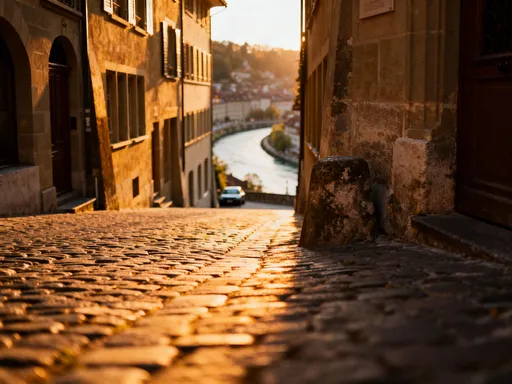
Unlike the sunbaked markets of Provence or the fast-paced energy of Paris, the Loire Valley unfolds at a gentler rhythm. There are no grand monuments competing for attention in crowded plazas—instead, there is space to breathe, to observe, to feel the quiet presence of centuries past. This slower tempo allows for deeper engagement with the surroundings, making it an ideal destination for those who seek cultural authenticity over spectacle. The region’s villages—Amboise, Chenonceaux, Blois, Saumur—are not tourist replicas but living communities where daily life still unfolds beneath medieval arches and beside walled gardens.
What makes the Loire Valley a true cultural gem is how seamlessly art integrates into everyday life. Stone carvings adorn bakeries and post offices. Gardens are designed with the same care as palace grounds. Even local festivals often center around traditional music, weaving, or painting, preserving techniques passed down through generations. For the mindful traveler, this continuity between past and present becomes a form of art in itself—one that invites reflection and connection rather than mere observation.
Choosing the Right Château for an Art-Lover’s Journey
Each château in the Loire Valley tells a different artistic story, shaped by its architecture, patronage, and historical context. For travelers seeking aesthetic depth, choosing the right ones can transform a casual tour into a meaningful journey through French artistic heritage. While many visitors flock to the grandest names, focusing on artistic significance rather than size or fame often leads to richer, more intimate experiences.
Château de Chambord stands out for its architectural audacity—a masterpiece attributed to Leonardo da Vinci’s influence, though he never lived to see it completed. Its double-helix staircase, symmetrical façade, and forest of rooftop chimneys make it a study in Renaissance engineering and design. The attention to proportion and light reveals a deep understanding of harmony, a core principle in classical art. For those interested in the intersection of art and science, Chambord offers endless details to admire, from ceiling stuccowork to the layout of its formal gardens, which mirror cosmic patterns.
Chenonceau, often called the “Ladies’ Castle,” shines through its elegance and the strong female figures who shaped it—Diane de Poitiers, Catherine de’ Medici, and Louise de Lorraine among them. Spanning the Cher River like a stone ribbon, its gallery offers panoramic views and exceptional natural light, making it a favorite subject for painters and photographers. The castle’s two contrasting gardens—one formal and geometric, the other wild and romantic—reflect differing artistic sensibilities and provide insight into how landscape design evolved as an expressive medium.
For lovers of romantic aesthetics, Azay-le-Rideau presents a dreamlike vision rising from the waters of the Indre River. Its refined façades, delicate balconies, and harmonious proportions exemplify early French Renaissance style, free from later Baroque excess. The interior features period furnishings and painted paneling that invite close looking, rewarding visitors who take time to study textures and details. To enhance the experience, plan visits early in the morning or late in the afternoon when crowds thin and sunlight bathes the stone in golden tones, revealing subtle carvings and shadows that daytime brightness often obscures.
Unlocking the Stories Behind the Stone: Guided Tours That Deepen Cultural Appreciation
Walking through a château without context is like reading a book with missing pages—beautiful, perhaps, but incomplete. Guided tours, especially those led by knowledgeable locals or art historians, unlock layers of meaning embedded in every corridor, ceiling, and garden path. These experts point out symbolic motifs, such as the salamander emblems at Chambord representing King Francis I, or the astrological themes in ceiling frescoes that reflect Renaissance cosmology.
Many châteaux now offer multilingual audio guides developed in collaboration with curators, ensuring accuracy and depth. These tools allow visitors to explore at their own pace while still receiving rich commentary on artistic techniques, historical shifts, and restoration efforts. Some sites, like Château de Cheverny, even feature interactive displays that reconstruct original color schemes or show how rooms were used in different eras, helping modern eyes appreciate the vibrancy of historical interiors that now appear faded or austere.
For a truly immersive experience, seek out special events such as candlelit evening tours. Held seasonally at Chenonceau and Chambord, these programs transform the atmosphere completely. As electric lights dim and hundreds of real candles illuminate stone walls and vaulted ceilings, the châteaux regain their former warmth and mystery. Shadows dance across tapestries, and the play of light enhances the three-dimensionality of carvings and moldings, revealing artistic details often lost under flat modern lighting. These moments do more than entertain—they reconnect visitors with the sensory world of the past, where art was not just seen but felt.
Exploring Local Art Scenes Beyond the Castles
While the châteaux dominate the landscape, the soul of the Loire Valley’s artistry lives just beyond their gates—in small galleries, artisan workshops, and weekly markets where creativity thrives in quieter, more personal forms. Towns like Amboise, Blois, and Saumur host a network of independent artists who draw inspiration from the region’s light, seasons, and textures, translating them into paintings, ceramics, textiles, and glasswork.
In Amboise, tucked behind cobbled lanes and ivy-covered walls, several ateliers welcome visitors during open-studio weekends. Local painters often work in plein air, capturing the soft haze over the Loire at dawn or the reflection of château silhouettes in the river. Their palettes favor earthy ochres, mossy greens, and sky blues—colors drawn directly from the surrounding countryside. Some studios offer short workshops where guests can try watercolor or pastel under gentle guidance, a wonderful way to internalize the beauty of the landscape through hands-on creation.
Pottery has deep roots in the region, particularly around La Borne, a village renowned for its stoneware tradition dating back to the 17th century. Here, artisans use local clay and wood-fired kilns to produce functional yet sculptural pieces—jugs, bowls, vases—that carry the marks of flame and hand. Many potters emphasize sustainability and craftsmanship, rejecting mass production in favor of slow, intentional making. Visiting a working studio allows travelers to witness the full process, from shaping wet clay to the final glaze test, gaining appreciation for the patience and precision behind each object.
Seasonal art markets and cultural festivals further animate the local scene. In spring and autumn, towns host *marchés de créateurs* featuring handmade jewelry, woven scarves, and illustrated prints. These events are not commercial spectacles but community gatherings where artists speak personally about their work, often sharing stories of inspiration tied to the river, seasons, or family history. Attending one offers a chance to bring home a truly authentic piece—one that carries not just aesthetic value but emotional resonance.
Savoring Culture Through Cuisine: Meals as Artistic Expression
In the Loire Valley, dining is never merely about sustenance—it is an extension of artistic expression, shaped by centuries of agricultural tradition and regional identity. The concept of *terroir*, or the unique combination of soil, climate, and human care that defines a place’s flavor, is deeply respected here. Every bite tells a story: of limestone-rich pastures yielding creamy goat cheese, of river fish slow-cooked with white wine and herbs, of orchards heavy with quince and apples used in tarts and ciders.
Local specialties like rillettes—slow-cooked pork spread with a velvety texture—are often served in rustic pottery dishes, emphasizing the connection between food and craft. Goat cheeses, such as Sainte-Maure de Touraine, come with their own distinctive straw running through the center, a mark of authenticity and tradition. These details are not incidental; they reflect a culture that values both taste and form, where presentation matters as much as flavor.
Wine, of course, plays a central role. The region produces crisp white wines like Sancerre and Vouvray, whose bright acidity and floral notes echo the freshness of the landscape. Red varieties such as Cabernet Franc from Bourgueil offer soft tannins and red fruit character, perfect with local charcuterie or roasted poultry. Rather than visiting large commercial wineries, consider smaller family-run estates where vintners welcome guests for tastings in cellars or sunlit courtyards. These intimate encounters often include stories about harvest challenges, generational knowledge, and the art of blending—reminding visitors that winemaking, too, is a creative act.
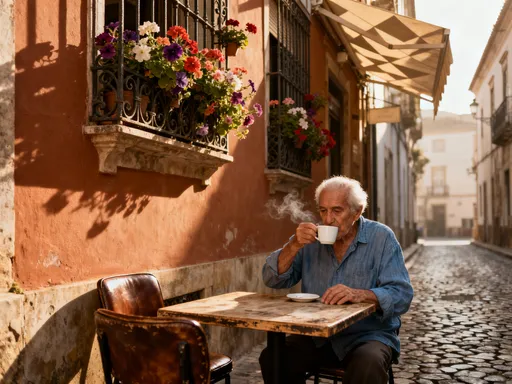
Even a simple meal at a village bistro can feel curated. Menus change with the seasons, featuring asparagus in spring, wild mushrooms in autumn, and freshwater fish like sandre or brochet year-round. Bread comes from wood-fired ovens, still warm and crackling when served. There is a reverence for ingredients and process, a quiet pride in doing things well. To eat here is to participate in a living tradition—one that honors balance, simplicity, and beauty on the plate.
Capturing the Moment: Sketching, Photography, and Mindful Travel
To truly absorb the artistry of the Loire Valley, it helps to engage creatively. Bringing a sketchbook, journal, or camera encourages slower, more attentive observation—the kind that transforms sightseeing into seeing. When you draw a stone arch or frame a garden path through a lens, you begin to notice what you might otherwise overlook: the curve of a balustrade, the pattern of light through leaves, the way shadow defines texture on weathered walls.
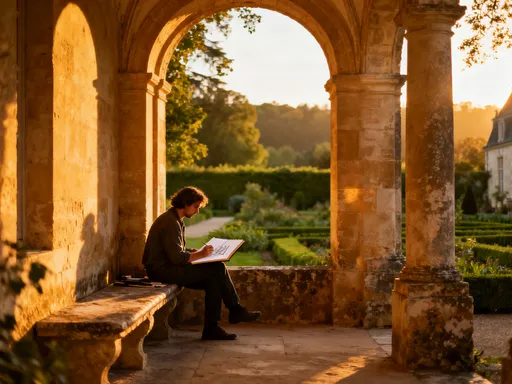
Sketching, even for beginners, fosters a meditative focus. Sitting in a quiet corner of a château courtyard with a pencil and pad shifts your relationship to the place—from observer to participant. You’re no longer rushing from room to room but settling into a single view, studying proportions, experimenting with shading, allowing time and perception to stretch. The resulting drawing may not be gallery-worthy, but the act itself becomes a form of gratitude, a way of honoring what you’ve encountered.
Photography, when practiced mindfully, serves a similar purpose. Instead of snapping dozens of shots in rapid succession, try limiting yourself to a few intentional images. Wait for the golden hour when sunlight gilds stone facades, or return to the same spot at different times to see how light and mood shift. Turn off the flash—natural illumination reveals more of a scene’s true character. And don’t forget to put the camera down occasionally; sometimes the most vivid memories are the ones stored in the mind, not on a memory card.
Journals complement visual practices beautifully. Writing a few lines about a moment—how the air smelled after rain, what a gardener said about pruning roses, how a particular painting made you feel—adds emotional depth to your journey. Over time, these notes become a personal archive, a record not just of where you went but of how you experienced it. Together, these creative habits help transform travel from consumption into communion.
Planning Your Cultural Journey: Timing, Transport, and Authentic Stays
The success of an art-focused trip to the Loire Valley often hinges on thoughtful planning. Timing, transportation, and accommodation choices can either enhance immersion or fragment the experience. For optimal weather and fewer crowds, aim for late April to early June or September to early October. During these months, the landscape is lush, gardens are in full bloom, and temperatures remain comfortable for walking and cycling.
Public transportation in the region is reliable, with regional trains connecting major towns like Tours, Blois, and Orléans. From these hubs, local buses or taxis can reach more remote châteaux. However, renting a bicycle offers a uniquely rewarding way to explore. Dedicated greenways, such as the Loire à Vélo route, provide safe, scenic paths along the river, passing vineyards, forests, and medieval bridges. Cycling allows for spontaneous stops—a picnic under a willow, a detour to a hidden chapel, time to sketch a riverside scene—making the journey itself part of the artistic experience.
Where you stay matters just as much as how you move. Instead of large hotels, consider boutique guesthouses or *chambres d’hôtes*—privately run accommodations often located in restored farmhouses or historic buildings. Many are hosted by locals who take pride in sharing regional knowledge, offering breakfasts with homemade jams, fresh bread, and local cheeses. These stays foster connection and continuity, extending the sense of cultural immersion beyond daytime visits.
Ultimately, the most important aspect of planning is intention. Resist the urge to pack every day with back-to-back visits. Allow for open space in your itinerary—time to linger in a garden, revisit a favorite painting, or simply sit with a book under a chestnut tree. True cultural appreciation cannot be rushed. It grows from presence, from the willingness to be still and let beauty unfold. When you slow down, the Loire Valley reveals itself not as a checklist of sights but as a living canvas, painted anew with each sunrise.
The Loire Valley does not shout its wonders. It whispers them—in the rustle of leaves along a garden path, in the soft glow of candlelight on ancient stone, in the quiet pride of a potter shaping clay with hands that know their craft. To travel here with an open heart and a creative spirit is to step into a world where art is not confined to frames or galleries but woven into the fabric of daily life. This is not escape, but return—to beauty, to stillness, to a deeper way of seeing. Whether you come to sketch a fountain, taste a vintage, or simply wander lost in a maze of hedges, you will leave carrying something lasting: the quiet certainty that culture, when lived deeply, has the power to transform us all.