Lost in the Limestone: Dammam’s Hidden Architectural Soul
Wandering through Dammam, I didn’t expect to fall in love with its architecture—but I did. From weathered coral walls to sleek modern towers rising beside traditional courtyard homes, the city tells a story of balance: old and new, desert and sea, simplicity and grandeur. What I found wasn’t just buildings—it was identity, carved in stone and light. This is more than a travel tale; it’s a journey into the quiet beauty of a coastal Saudi city most overlook. In a region often associated with rapid transformation and towering ambition, Dammam offers something different: a measured, thoughtful evolution where heritage and modernity coexist in harmony. Its streets whisper rather than shout, inviting those who walk them to look closer, to slow down, and to appreciate the subtleties of design shaped by climate, culture, and community.
First Impressions: A City That Doesn’t Try Too Hard
Dammam often flies under the radar compared to Riyadh or Jeddah, but its laid-back coastal vibe is part of its charm. Unlike flashier Gulf cities that compete for attention with soaring skyscrapers and luxury malls, Dammam feels lived-in and authentic. As I walked through neighborhoods near the Corniche, I noticed how architecture here doesn’t shout—it whispers. Low-rise buildings with arched windows, pastel-colored facades, and shaded balconies reflect both practicality and regional aesthetics. The city blends Gulf modernity with subtle Najdi influences, using geometric patterns and wind towers in some public buildings. These elements are not merely decorative; they serve functional roles in managing airflow and reducing solar exposure, a testament to centuries-old wisdom adapted for contemporary life.
Even the mosques, while not grand like royal complexes, carry a quiet dignity with their simple domes and slender minarets. Their design speaks to modesty and serenity, values deeply embedded in the local culture. The absence of ostentation is not a lack of ambition but a reflection of a different kind of pride—one rooted in comfort, continuity, and community. Street-level details matter here: hand-painted signs, flower pots on window sills, and carefully maintained gardens suggest a city where daily life is lived with care. This understated character makes Dammam an ideal destination for travelers seeking authenticity over spectacle, where the rhythm of life unfolds at a human pace.
What struck me most was the lack of visual clutter. Billboards are minimal, and building heights are regulated, preserving sightlines and preventing the urban canyon effect common in denser metropolises. This restraint contributes to a sense of openness and calm, especially along the waterfront, where the horizon meets the sky without obstruction. For visitors accustomed to sensory overload, Dammam offers a refreshing pause—a place where one can breathe, observe, and connect with the environment on a more intimate level. It’s a city that doesn’t try too hard because it already knows who it is.
The Legacy of Coral and Stone: Traditional Gulf Architecture
One of the most striking features of old Dammam is the use of coral stone in historic homes and fishing huts along the coast. This locally sourced material, harvested from the Arabian Gulf, was traditionally cut into blocks and layered with gypsum mortar. These structures were designed for climate resilience—thick walls kept interiors cool, while small windows reduced heat gain. The porous nature of coral stone allowed for natural ventilation, a passive cooling technique long before air conditioning existed. Many of these buildings have disappeared due to urban expansion, but pockets remain in older districts like Al-Zuhour and Al-Rawdah, offering glimpses into a vanishing architectural heritage.
In some alleys, I spotted restored coral houses with intricate wooden mashrabiya screens, a nod to Hijazi craftsmanship. These latticed windows served multiple purposes: they filtered harsh sunlight, allowed breezes to pass through, and maintained privacy—especially important in a culture that values family seclusion. The precision of the woodwork reflects a deep understanding of both art and engineering, where beauty emerges from utility. These details aren’t just decorative—they served to filter light and allow airflow, proving that form followed function long before modern sustainability trends.
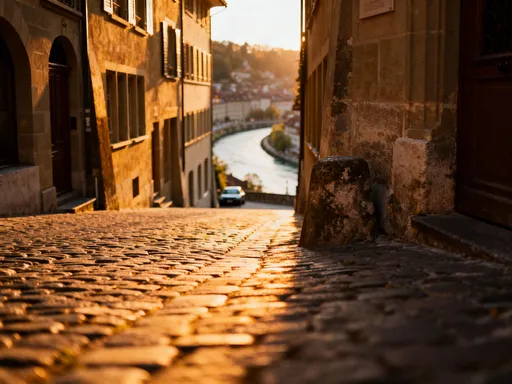
Preservation efforts are growing, though still fragmented. Some homeowners have taken it upon themselves to restore ancestral properties, blending traditional materials with modern amenities. Others work with local heritage groups to document fading techniques before they disappear entirely. The challenge lies in balancing development with conservation, ensuring that progress does not erase the very elements that give the city its soul. Coral architecture is more than a building method; it is a record of adaptation, resilience, and identity. When sunlight hits the textured surface of a restored wall, casting soft shadows across the street, it feels like history breathing—quietly, gently, but undeniably present.
The Corniche: Where Sea Meets Design
The Dammam Corniche is more than a seaside promenade—it’s an architectural experience shaped by water and wind. Stretching over several kilometers, it features a mix of public plazas, shaded walkways, and family-friendly parks. What stood out was how the design prioritizes comfort in extreme heat: wide canopies, misting stations, and strategic landscaping with date palms and hardy shrubs. The pavilions along the route blend contemporary Gulf style with soft curves and sand-colored materials that mirror the coastline. At sunset, the play of light on the sea-facing glass panels creates a shimmering effect, turning the entire stretch into a living canvas. This isn’t just infrastructure—it’s urban poetry.
Families gather here in the late afternoon, children playing on shaded playgrounds while elders sit on benches facing the water. The layout encourages lingering rather than rushing—benches are spaced to allow conversation, and walking paths curve gently, inviting exploration. Public art installations, including sculptures inspired by maritime traditions, add layers of meaning without overwhelming the space. One piece, shaped like a traditional dhow sail, catches the breeze and casts moving shadows, a kinetic tribute to the city’s seafaring roots.
What makes the Corniche truly successful is its inclusivity. It is designed for all ages and social groups, with separate zones for walking, cycling, and sitting. Gender-segregated seating areas in certain sections reflect cultural norms while still promoting shared public enjoyment. Lighting is warm and low-glare, enhancing safety without disrupting the night sky. The result is a space that feels both modern and timeless, where the rhythm of the waves meets the pulse of daily life. For visitors, the Corniche offers not only scenic views but also a model of how thoughtful design can enhance community well-being.
Modern Ambitions: Glass, Steel, and the Rise of Downtown
Dammam’s skyline is evolving. In the central business district, glass-fronted towers and mixed-use complexes signal economic growth and urban ambition. Yet, unlike other Gulf cities where modernity erases tradition, Dammam’s new buildings often incorporate regional design cues. Some office towers feature latticed sunshades inspired by mashrabiya, reducing solar heat while adding visual rhythm. Others use beige cladding to harmonize with the desert palette. I visited one newly built government complex where courtyards and shaded arcades echoed traditional Najdi planning, proving that heritage can inform even bureaucratic spaces. This fusion isn’t always perfect, but it shows intention—a city trying to grow without losing itself.
The use of reflective glass is balanced with solid surfaces to prevent glare and excessive heat absorption. Rooftop gardens and vertical greenery are increasingly common, softening the urban landscape and improving air quality. Inside, many buildings prioritize natural light and airflow, with open atriums and strategically placed windows that reduce reliance on artificial lighting. These choices reflect a growing awareness of sustainable urban development, aligning with national initiatives like Vision 2030, which emphasize livability and environmental responsibility.
What’s particularly encouraging is the integration of public access in these developments. Some towers include ground-floor cafes, exhibition spaces, or pedestrian passages, ensuring that modern architecture remains connected to street life. This contrasts with isolated skyscrapers found elsewhere that create wind tunnels and dead zones at street level. In Dammam, there’s a conscious effort to keep the city walkable and engaging, even as it reaches upward. The message is clear: progress should not come at the cost of human connection.
Hidden Courtyards: The Quiet Heart of Residential Dammam
Away from main roads, Dammam’s residential neighborhoods reveal a different architectural language. Many homes center around inner courtyards, a design rooted in privacy and climate control. These open-air spaces serve as family gathering spots, often shaded by pergolas or small trees. Exterior walls are plain, almost fortress-like, preserving modesty—only the carved wooden doors hint at what lies within. In some areas, I noticed homes painted in soft ochres, blues, and whites, colors that reflect sunlight and add warmth without glare. While newer villas are larger and more Westernized, the courtyard concept persists, showing how cultural values shape space.
The courtyard is more than a design feature; it is a social and environmental strategy. It provides a private outdoor area protected from the sun and prying eyes, allowing families to enjoy fresh air without compromising their values. In summer, evaporative cooling from potted plants and water features helps lower temperatures naturally. In winter, the open space captures sunlight, warming the surrounding rooms. This intelligent use of microclimate demonstrates how traditional knowledge continues to inform contemporary living.
Walking through these neighborhoods, I was struck by the sense of tranquility. Traffic noise fades, replaced by birdsong and the rustle of leaves. Children play in driveways, and neighbors exchange greetings across garden walls. The architecture fosters a slower, more intentional way of life—one that prioritizes family, rest, and reflection. For visitors, these areas offer a rare glimpse into everyday Saudi domestic life, far removed from the stereotypes often portrayed in media. They remind us that home, in any culture, is shaped by both practical needs and emotional ones.
Public Spaces and Urban Identity: Libraries, Parks, and Cultural Hubs
Dammam invests in architecture that serves community life. The King Abdulaziz Center for World Culture (Ithra), though technically in Dhahran, influences the region’s architectural vision with its fluid, dune-like structure and commitment to light and movement. Closer to downtown, new public libraries and youth centers adopt open layouts, natural ventilation, and local materials. One park I visited featured pavilions shaped like traditional Bedouin tents, blending symbolism with function. These spaces aren’t just built—they’re designed to invite, to gather, to inspire. They reflect a growing emphasis on quality of life, where architecture becomes a tool for social connection.
Libraries, in particular, have undergone a transformation. No longer silent repositories of books, they now host workshops, storytelling sessions, and art exhibitions. Their interiors are bright and flexible, with movable furniture and reading nooks tucked into alcoves. Large windows invite natural light, and shaded outdoor seating extends the usable space. These updates make learning accessible and enjoyable for all ages, reinforcing education as a communal value.
Parks are equally thoughtfully designed. Playgrounds incorporate elements of nature, such as sand pits and climbing structures made from sustainable wood. Walking trails are lined with native plants, supporting biodiversity and reducing water usage. Seating areas are strategically placed to encourage interaction while respecting privacy. These green spaces are not afterthoughts but essential components of urban planning, contributing to physical health, mental well-being, and social cohesion. In a city where outdoor activity was once limited by extreme heat, these innovations are quietly transforming lifestyles.
Wandering With Purpose: How to See Dammam’s Architectural Layers
To truly appreciate Dammam’s architecture, you have to move slowly. Start at the Corniche in the early morning, then explore side streets on foot. Visit older neighborhoods with respect—ask before photographing homes. Consider timing your trip during cooler months (November–March) for comfortable walking. Wear light clothing and carry water, but also bring curiosity. Talk to locals if possible; many are proud of their city’s evolution. Use public transport or rent a bike to experience the city at human scale. Most importantly, look beyond the surface—notice textures, shadows, materials. In Dammam, beauty isn’t always obvious, but it’s always there.
A guided walking tour led by a local architect or historian can deepen your understanding, offering insights into construction techniques and cultural meanings. Some community centers offer short lectures or exhibitions on regional architecture, often accompanied by photo displays or model reconstructions. These resources help visitors see the city not as a static backdrop but as a living, evolving entity shaped by generations of adaptation.
Photography enthusiasts should pay attention to light patterns—how sunlight filters through mashrabiya screens, how shadows dance across coral walls at different times of day. Early morning and late afternoon offer the most dramatic contrasts. Sketching or journaling can also enhance the experience, allowing you to record details that might otherwise go unnoticed. The goal is not to capture perfect images but to engage mindfully with the environment.
For families traveling with children, interactive activities like architecture scavenger hunts or drawing contests can make exploration fun and educational. Many parks and cultural centers welcome such initiatives, sometimes providing printed guides or activity sheets. These experiences foster appreciation for design from a young age, planting seeds for future stewardship of heritage and urban spaces.
Conclusion: A City in Conversation With Itself
Dammam doesn’t dazzle like Dubai or mystify like Jeddah’s old town. Instead, it speaks in subtle tones—through coral walls, shaded walkways, and quiet courtyards. Its architecture is a dialogue between past and future, between the harsh desert and the calming sea. As I left, I realized that wandering here isn’t just about seeing sights—it’s about feeling the rhythm of a city learning how to grow with grace. Dammam’s true beauty lies not in monuments, but in the quiet confidence of its everyday spaces.
This is a city that listens—to its climate, its people, its history. It builds not to impress, but to endure. Every arch, every shaded arcade, every restored coral wall tells a story of resilience and identity. In an era of rapid change, Dammam offers a powerful example of how urban development can honor tradition while embracing innovation. It reminds us that progress need not erase memory, and that the most meaningful spaces are those shaped by care, continuity, and community.
For the thoughtful traveler, Dammam is a revelation—a place where architecture becomes a language of belonging. It invites us to look closely, to walk slowly, and to appreciate the quiet strength of a city that knows itself. In doing so, it offers not just a glimpse of Saudi Arabia’s coastal soul, but a model for how cities everywhere might grow—not louder, but wiser.