You Gotta See How Varanasi’s Neighborhoods Tell Their Own Story
Walking through Varanasi feels like flipping through pages of a living book—each district writes its own chapter. From sacred ghats to bustling bazaars, every corner pulses with purpose. I didn’t just visit Varanasi; I got lost in its layers. What makes this city work isn’t just spirituality—it’s how its neighborhoods shape your experience. Let me take you through the real zones that define Varanasi, not just the postcard spots most travelers never go beyond.
The Spiritual Heart: Exploring the Ghats of Old Varanasi
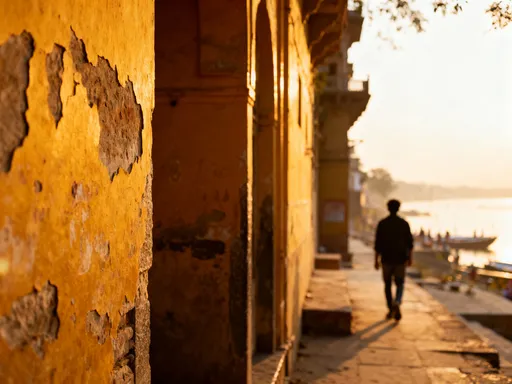
At the core of Varanasi lies its riverfront—the ghats that line the Ganges. These stepped embankments are not just architectural features; they are the rhythm of daily life, where devotion, routine, and tradition unfold in unison. Among them, Dashashwamedh Ghat stands as the ceremonial heart, famous for the grand Ganga Aarti each evening. As flames rise in synchronized motion and priests chant in unison, the air hums with reverence. This ritual, performed daily for centuries, draws visitors from around the world, yet remains deeply rooted in local faith.
Further south, Manikarnika Ghat holds a different kind of sanctity. As one of the primary cremation sites in Hinduism, it represents the eternal cycle of life and death. While the sight may be intense for first-time visitors, observing with respect offers a profound understanding of Varanasi’s spiritual depth. The belief that a soul liberated here achieves moksha, or release from rebirth, underscores the ghat’s significance. Visitors are expected to maintain silence and refrain from intrusive behavior, especially near active pyres. Photography is strongly discouraged out of respect for grieving families and ongoing rites.
Assi Ght, at the southern end of the main ghat stretch, offers a gentler introduction to riverside life. It serves as a gathering place for pilgrims, yoga practitioners, and travelers seeking quiet reflection. Morning hours here are especially serene, with locals performing ablutions and small groups meditating by the water’s edge. A boat ride at sunrise provides one of the most iconic views of the city, with golden light spilling over centuries-old temples and palaces. Guides are readily available at the steps, and a standard one-hour trip costs a modest fee, best agreed upon before departure.
For those planning to explore the ghats, timing is essential. Early mornings, between 5:00 and 7:30 a.m., offer cooler temperatures and fewer crowds, ideal for peaceful observation. Dress modestly—light cotton clothing that covers shoulders and knees is recommended. Women may choose to carry a scarf for temple visits. Comfortable sandals that can be easily removed are practical, as many areas require going barefoot. Staying hydrated and using sunscreen is important, especially during the warmer months from March to June.
Beyond the River: Life in the Lanes of the Old City
Behind the ghats lies a labyrinth of narrow lanes—each one a thread in the fabric of Varanasi’s living heritage. These alleys, some barely wide enough for two people to pass, wind through residential neighborhoods where generations have lived, worshipped, and traded. This is where the city’s soul hums beyond the tourist gaze. Here, you’ll find small family-run shops selling marigold garlands, brass lamps, and clay diya for daily rituals. The scent of incense and frying snacks drifts through the air, mingling with the distant echo of temple bells.
Wandering these lanes reveals hidden courtyards, centuries-old temples tucked between homes, and doorways adorned with intricate wood carvings. Some of the most revered shrines, like the tiny Kedareshwar Temple or the Durga Kund complex, are found off the main paths. These spaces are active places of worship, so visitors should approach quietly and avoid entering during prayer times unless invited. Removing footwear before stepping onto temple grounds is a universal expectation and a sign of respect.
Street food is an essential part of the neighborhood experience. Corn on the cob roasted over charcoal, kachoris served with tangy tamarind chutney, and sweet jalebis fresh from the fryer can be found at corner stalls. While tempting, it’s wise to choose vendors with high turnover and visible cleanliness. Bottled water and sealed drinks are recommended to avoid stomach discomfort. Travelers with sensitivities may want to carry hand sanitizer and wet wipes for convenience.
Navigating the old city requires awareness. The foot traffic is constant—pilgrims, schoolchildren, vendors, and animals all share the space. Staying to the right and moving at a steady pace helps avoid congestion. It’s common for locals to greet passersby with a smile or a soft “Namaste,” and returning the gesture fosters goodwill. While most interactions are friendly, it’s best to keep valuables secure and avoid overly insistent offers for guided tours from unlicensed individuals. A polite but firm “No, thank you” is usually sufficient.
The Cultural Pulse: Godowlia and the City Center
As the commercial and transportation hub of Varanasi, Godowlia connects the old city with modern urban life. Dominated by a prominent clock tower, this bustling intersection serves as a gateway to markets, bus stops, and rickshaw stands. The area pulses with energy from early morning until late evening, offering a glimpse into the city’s dynamic rhythm. Shoppers can find everything from textiles and spices to religious artifacts and household goods in the surrounding bazaars.
The clock tower market is ideal for picking up souvenirs such as hand-painted masks, miniature brass bells, and embroidered fabrics. Bargaining is expected, but it should be done respectfully. A good rule of thumb is to start at about 60% of the initial asking price and negotiate politely. Many vendors appreciate genuine interest in their products, and a friendly conversation often leads to better prices and recommendations for other authentic shops.
One of the most enjoyable ways to travel within the city center is by cycle rickshaw. These eco-friendly vehicles navigate narrow streets with ease and offer a comfortable vantage point for sightseeing. Drivers are often knowledgeable about local landmarks and can double as informal guides. Before boarding, agree on the fare or request a metered ride if available. For longer distances or faster travel, auto-rickshaws are a reliable option, though they may be less comfortable on uneven roads.
To make the most of a visit to Godowlia, timing matters. Midday brings intense heat and congestion, so early mornings or late afternoons are preferable. Weekdays tend to be less crowded than weekends or festival days. If planning to hire a guide, it’s best to arrange one through a reputable travel agency or hotel rather than accepting unsolicited offers on the street. Licensed guides provide accurate historical context and help visitors avoid common pitfalls.
Artisan Quarters: Where Tradition Meets Craft
Varanasi has long been celebrated for its craftsmanship, particularly in weaving and metalwork. In neighborhoods like Sithabulagan and the lanes near Lalita Ghat, artisans continue age-old traditions passed down through generations. The city’s reputation for Banarasi silk is world-renowned—these richly woven fabrics, often embellished with gold or silver zari thread, are cherished for weddings and formal occasions across India. Watching a weaver at work on a handloom is to witness patience, precision, and artistry in motion.
Similarly, the metalworkers of Varanasi produce exquisite brass and copper items—oil lamps, ritual pots, and decorative bells—that are both functional and symbolic. Many workshops are small, family-run operations where apprentices learn by doing. Visitors interested in authentic craftsmanship can arrange visits to these quarters through cultural tourism programs. Such experiences often include demonstrations and the opportunity to support artisans directly by purchasing handmade goods.
When buying Banarasi silk or metalware, authenticity is key. Genuine handloom saris come with a government-issued tag verifying their origin and method of production. Prices vary widely based on design complexity and material quality. While machine-made imitations are cheaper, they lack the depth and durability of true handwoven pieces. Travelers should take time to compare options, feel the fabric, and ask questions about the weaving process. Reputable shops often allow customization, such as selecting colors or motifs for a sari.
Supporting local artisans goes beyond shopping—it’s about preserving cultural heritage. Many craftspeople face economic challenges due to mass production and changing consumer habits. By choosing authentic products and paying fair prices, visitors contribute to sustainable livelihoods. Some organizations in Varanasi offer craft workshops or homestay experiences that deepen this connection, allowing guests to learn weaving basics or participate in a day in the life of an artisan family.
The Academic Edge: Around Banaras Hindu University (BHU)
Just south of the old city, Banaras Hindu University (BHU) offers a striking contrast—a sprawling green campus that feels like an oasis of calm. Founded in 1916, BHU is one of India’s most prestigious institutions, blending academic excellence with cultural preservation. The campus covers over 1,300 acres, featuring botanical gardens, tree-lined avenues, and architectural landmarks that reflect a fusion of Indian and colonial styles. For visitors, it’s a refreshing escape from the intensity of the urban core.
One of the highlights is the Bharat Kala Bhavan, the university’s museum, which houses an exceptional collection of Indian art, textiles, and archaeological finds. Exhibits include ancient sculptures, miniature paintings, and rare manuscripts that trace the evolution of Indian civilization. The museum is open to the public, though visitors may need to present photo identification at the entrance. Photography policies vary by section, so it’s best to inquire at the reception desk.
Students frequent small cafes near the campus gates, offering simple snacks, chai, and cold drinks. These spots provide a relaxed atmosphere to observe campus life and strike up conversations with young scholars. Even a short walk through the grounds—past the grand central hall, the temple-like library, or the peaceful riverfront lawns—can be deeply rejuvenating. Early mornings are ideal, when the air is cool and students can be seen jogging or reading under banyan trees.
Access to the main campus is generally open during daylight hours, but certain areas may require prior permission. Visitors are encouraged to dress modestly and maintain a quiet demeanor, especially near academic buildings. While guided tours are occasionally available, independent exploration is permitted as long as campus rules are followed. BHU also hosts cultural events, including music performances and lecture series, some of which are open to the public with advance registration.
Riverside Tranquility: Assi Ghat and the Southern Stretch
While the northern ghats are known for their intensity, Assi Ghat offers a more relaxed riverside experience. Located near the confluence of the Assi and Ganges rivers, this area attracts yoga enthusiasts, spiritual seekers, and travelers looking to unwind. Morning yoga sessions are commonly held on the steps or nearby open spaces, often led by local instructors or ashram-affiliated teachers. Participation is usually free or by voluntary donation, making it accessible to all.
Several small cafes line the lanes above Assi Ghat, serving vegetarian meals, herbal teas, and smoothies. Many cater to an international crowd, offering menus with English translations and Western-style options like pancakes or sandwiches. Despite the cosmopolitan touch, these spaces maintain a grounded, eco-conscious vibe—bamboo furniture, cloth napkins, and solar-powered lighting are common features. Sitting with a book or journal while watching the river flow by can be one of the most memorable moments of a Varanasi visit.
In the evenings, impromptu music sessions often take place near the ghat. Travelers and locals gather to play guitar, sing devotional songs, or listen to classical ragas performed on sitar or flute. These gatherings are informal and inclusive, welcoming listeners without expectation. The atmosphere is peaceful, enhanced by the soft glow of oil lamps and the gentle lapping of water against the steps.
For those seeking a longer stay, guesthouses and ashrams near Assi Ghat offer affordable and serene accommodations. Many follow a quiet curfew and emphasize mindfulness, making them ideal for reflection. The area is generally safe, though standard precautions—locking doors, securing valuables—should be observed. Visiting during the shoulder seasons of October to March ensures pleasant weather and fewer crowds, enhancing the sense of tranquility.
Getting Around: Practical Navigation Across Districts
Navigating Varanasi requires a blend of planning and flexibility. The old city, with its narrow lanes and dense foot traffic, is best explored on foot. Walking allows travelers to absorb details they might otherwise miss—the pattern of a wall carving, the aroma of a spice stall, the sound of a distant chant. Comfortable, breathable footwear is essential, as cobblestones can be uneven and surfaces warm under the sun.
For longer distances, cycle rickshaws and auto-rickshaws are the most practical options. Cycle rickshaws are ideal for short trips within the old city or to nearby markets, while auto-rickshaws cover greater distances quickly, such as trips to BHU or the railway station. Boat rides along the Ganges provide a unique perspective and are an efficient way to travel between ghats, especially during peak hours when streets are congested. Standard boat routes operate from Dashashwamedh to Assi Ghat, with stops at key landmarks.
Planning a daily itinerary by zone helps maximize time and minimize fatigue. A suggested route might begin with an early morning boat ride, followed by a walk through the lanes behind the ghats, then a visit to Godowlia for shopping. Afternoon hours can be spent at BHU or a quiet café, avoiding the midday heat. Evening returns to Dashashwamedh for the Ganga Aarti create a powerful closing to the day. Spreading activities across different areas prevents overexertion and allows for natural pacing.
Safety and comfort are paramount. Staying hydrated is critical, especially in warmer months—carry a reusable water bottle and refill at trusted sources. Sun protection, including hats and sunglasses, helps manage exposure. Women travelers may appreciate carrying a light shawl for both sun protection and cultural appropriateness. Keeping a simple map or using offline navigation apps can prevent disorientation in the maze-like alleys. Lastly, maintaining a calm and respectful demeanor goes a long way in fostering positive interactions with locals.
Varanasi isn’t one place—it’s many worlds stacked side by side. Understanding its districts transforms a simple trip into a meaningful journey. When you know where to go and why, the city reveals itself not as chaos, but as harmony in motion. This is travel with depth, where every step tells a story worth remembering.