You Won’t Believe These Hidden Viewpoints Hiking Near Jeonju
Hiking around Jeonju, South Korea, isn’t just about trails—it’s about moments that take your breath away. I never expected such stunning panoramas just beyond the city’s famous hanok village. From quiet forest ridges to open hilltops overlooking endless valleys, each viewpoint felt like a secret gift. These aren’t crowded tourist stops, but real, peaceful escapes where nature and tradition meet. If you're craving authentic beauty with your workout, you gotta check this out.
Why Hiking in Jeonju Offers More Than Just Scenery
The city of Jeonju is globally celebrated for its well-preserved hanok village, where hundreds of traditional Korean houses with curved tiled roofs line winding alleys. But just beyond this cultural heart lies a quieter world—one of forested slopes, gentle ridgelines, and elevated clearings that offer sweeping views of the surrounding landscape. Hiking in this region is not merely about physical activity; it’s an immersive experience that connects travelers with Korea’s layered identity. The terrain around Jeonju sits at the edge of the Honam Plain, where low mountain ranges begin to rise, creating a natural transition between urban life and rural serenity. This unique geography allows hikers to witness both cultivated fields and wild forests within a single journey.
What makes these hikes particularly valuable is their ability to deepen cultural understanding. Unlike packaged sightseeing tours, hiking allows visitors to move slowly, observe seasonal changes in agriculture, and encounter local residents tending small farms or walking forest paths. These subtle interactions build a more intimate connection with the region. The trails are not designed for extreme adventure, but rather for thoughtful exploration. Most routes are rated as easy to moderate, making them accessible to adults of varying fitness levels. This balance between effort and reward ensures that even casual walkers can enjoy meaningful outdoor experiences without needing technical gear or advanced preparation.
Moreover, hiking near Jeonju offers a rare chance to experience Korea’s natural beauty without the crowds often found at more famous destinations like Seoraksan or Hallasan. Trails remain peaceful, especially on weekday mornings, allowing for quiet reflection and a stronger sense of solitude. The combination of light exercise, fresh air, and scenic payoff creates a holistic travel experience—one that nourishes both body and mind. For families, couples, or solo travelers seeking a break from fast-paced tourism, these hikes provide a refreshing alternative. They invite a slower rhythm, one that aligns with the traditional Korean value of *jeong*, or deep emotional connection formed through shared time and space.
Deoksugung Mountain Trail: The Underrated Gateway to Panoramic Vistas
Nestled just northeast of Jeonju’s historic center, the Deoksugung Mountain Trail serves as an ideal starting point for visitors new to the area’s hiking opportunities. Despite its proximity to the city, this trail remains surprisingly quiet, offering a seamless transition from urban streets to forested paths. The trailhead begins near a small residential neighborhood, marked by a stone signpost and a narrow footpath that winds upward through a canopy of deciduous trees. The incline is gentle, making it suitable for beginners, seniors, or those looking for a relaxed morning walk. What sets this hike apart is not its difficulty, but the quality of the views it delivers with minimal effort.
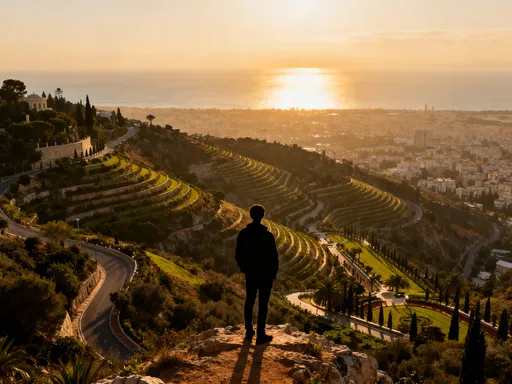
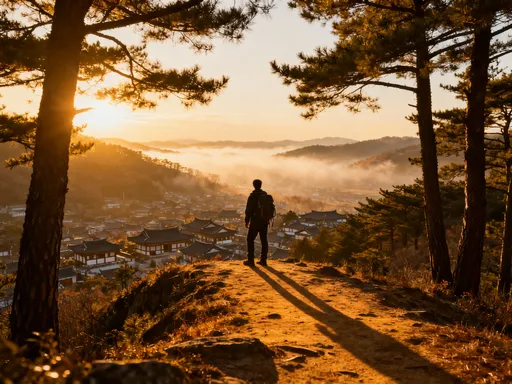
About 30 minutes into the ascent, hikers reach the first major viewpoint—a broad, open ridge lined with wooden railings and resting benches. From this vantage point, the entire hanok village unfolds below like a living diorama. The sea of gray rooftops, arranged in concentric patterns, contrasts beautifully with the lush green hills that frame the city. On clear days, the sunlight casts soft shadows across the tiles, enhancing the texture and depth of the scene. To the east, rice paddies shimmer in geometric precision, while to the west, distant mountain ranges fade into a hazy blue horizon. It’s a moment that invites stillness, a chance to pause and absorb the harmony between human settlement and natural surroundings.
The best times to experience this trail are early morning or late afternoon. At sunrise, the hanok village is bathed in golden light, and mist often drifts between the rooftops, creating a dreamlike atmosphere. By midday, the area attracts more visitors, especially tour groups visiting the cultural sites. In contrast, a late afternoon hike allows for cooler temperatures and softer lighting, ideal for photography. The trail is well-maintained, with clear signage in both Korean and English, and emergency call boxes placed at intervals. While not as rugged as other regional trails, Deoksugung Mountain offers a meaningful introduction to Jeonju’s landscape, proving that profound beauty can be found just a short walk from the city center.
Naeja Mountain: Where City Meets Skyline
Rising modestly above the northern edge of Jeonju, Naeja Mountain is a compact yet rewarding destination for hikers seeking a quick escape with maximum visual impact. The trail begins near a public park and ascends steadily through a mixed forest of oak, maple, and pine. Though the climb takes less than an hour, it provides a striking contrast between old and new Korea. At the summit, a spacious observation platform offers a full 360-degree panorama—one of the most comprehensive views in the region. To the south, the traditional hanok village stretches across the valley, its rooftops forming a textured mosaic. To the north, the modern cityscape of Jeonju emerges, with apartment complexes, schools, and shopping districts blending into the hills.
This juxtaposition is more than just visually compelling; it reflects the ongoing evolution of Korean society. The hanok village represents centuries of architectural tradition, community values, and connection to nature, while the modern skyline symbolizes progress, innovation, and urban development. Standing at the summit of Naeja Mountain, one gains a deeper appreciation for how these two worlds coexist. The view is not one of conflict, but of balance—where heritage is preserved even as the city grows. This makes the hike especially meaningful for visitors interested in understanding contemporary Korean life beyond stereotypes.
The trail is well-paved in most sections, making it accessible even in light rain or for those wearing comfortable walking shoes. Families often bring children here for weekend outings, and it’s common to see groups of retirees walking in pairs, chatting softly as they climb. Interpretive signs along the path provide historical context, explaining the role of Naeja Mountain in local folklore and its significance as a spiritual site in past centuries. The summit platform includes shaded seating areas and a small shelter, making it a pleasant spot for a picnic or quiet reflection. Whether visited at dawn, during golden hour, or under the soft glow of city lights at night, Naeja Mountain offers a perspective that few other urban hikes can match.
Mudeungsan National Park: A Day Trip Worth the Journey
For those willing to venture slightly farther from Jeonju, Mudeungsan National Park presents a dramatic expansion of the hiking experience. Located approximately 1.5 hours away by bus or train, this protected area spans over 30 square kilometers of rugged terrain, volcanic rock formations, and dense forest. Designated as a UNESCO Global Geopark, Mudeungsan is renowned for its geological significance and ecological diversity. While it may require a bit more planning than local trails, the journey is well worth the effort, especially for hikers seeking a fuller immersion in Korea’s natural grandeur.
One of the most popular routes within the park is the Byeoram Course, a moderately challenging trail that leads hikers along cliffside paths and through narrow rock passages. The path begins at the Sanghwawon entrance and gradually ascends toward Cheonwangbong Peak, the highest point in the range. Along the way, massive basalt columns—formed by ancient volcanic activity—rise like pillars on either side of the trail, creating a sense of awe and wonder. These formations, known locally as *jusangjeolli*, are a defining feature of the park and offer excellent opportunities for photography and quiet contemplation.
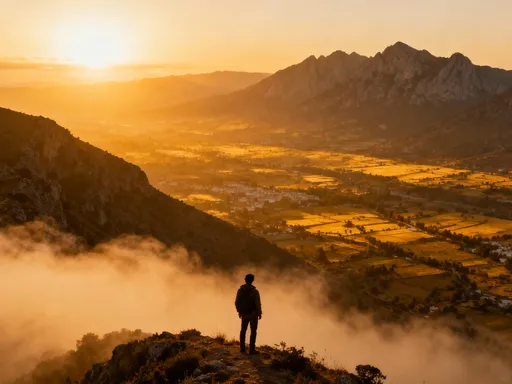
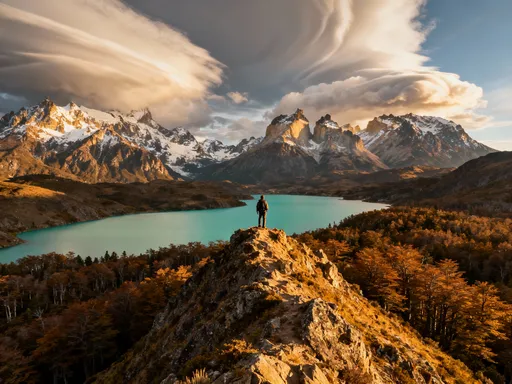
The elevated lookouts along the Byeoram Course provide breathtaking views of the surrounding valleys and distant mountain chains. On clear days, visibility extends for dozens of kilometers, revealing layers of blue-green ridges fading into the horizon. Many hikers choose to begin their trek before dawn to witness the sunrise from one of the high vantage points. As the first light spills over the eastern peaks, the sky shifts from deep indigo to soft peach, illuminating the rock faces and casting long shadows across the forest floor. This moment of transition—between night and day, stillness and movement—carries a quiet emotional power, often described as meditative or even spiritual.
Public transportation to Mudeungsan is reliable, with direct buses available from Jeonju Intercity Bus Terminal. The park entrance fee is minimal, and visitor centers provide maps, weather updates, and safety information. Restrooms and drinking water stations are available at key trailheads, and small cafes serve traditional snacks like sweet potato and barley tea. While the hike demands more physical effort than those near Jeonju city, it remains accessible to most adults with average fitness. Proper footwear is essential due to uneven surfaces and occasional wet rocks. With its combination of geological wonder, panoramic views, and peaceful atmosphere, Mudeungsan offers a day trip that feels both adventurous and restorative.
Finding Solitude: Off-the-Beaten-Path Trails Near Songsanri Village
A short drive from central Jeonju lies Songsanri Village, an archaeological site famous for its ancient burial mounds dating back to the Baekje Kingdom. While many visitors come to see the historic tombs, fewer explore the forested hills that surround the area. These lesser-known trails offer some of the most tranquil hiking experiences in the region, perfect for those seeking solitude and unspoiled natural beauty. The paths are not heavily promoted, lack extensive signage, and rarely appear on mainstream travel itineraries—qualities that contribute to their peaceful character.
The trail network near Songsanri begins at a small unpaved lot and follows a meandering route through pine and deciduous woodland. After about 20 minutes of walking, the forest opens into a series of hidden clearings—flat, grassy areas perched on hilltops with unobstructed views of the surrounding valley. From these vantage points, one can see patchwork fields, winding rivers, and distant farmhouses, all framed by rolling hills. The silence is profound, broken only by the rustle of leaves or the call of a distant bird. It’s a place where time seems to slow, allowing for deep relaxation and mental clarity.
Because these trails are less maintained, hikers should take extra precautions. Trail markers are sparse and sometimes faded, so carrying a downloaded map or using a GPS-enabled app is highly recommended. Sturdy footwear with good traction is essential, as some sections can become slippery after rain. There are no restrooms or water stations along the route, so visitors should bring enough water and snacks for the duration of the hike. Despite these modest challenges, the rewards are significant. The sense of discovery—of finding a quiet spot known only to locals—is unmatched. For those who value authenticity over convenience, these hidden paths offer a rare glimpse into Korea’s rural soul.
What to Pack and Wear for Comfort and Safety
Preparation is key to enjoying any hiking experience, especially when exploring diverse terrains around Jeonju. While the trails are generally safe and well-marked, weather conditions can change quickly, particularly in spring and autumn. The most important item is a pair of lightweight hiking shoes with good ankle support and grip. Regular sneakers may suffice on paved paths like Naeja Mountain, but rougher trails such as those in Mudeungsan or near Songsanri require more durable footwear to prevent slips and fatigue.
Layering is another essential strategy. Mornings can be cool, even in summer, while afternoons may become warm and humid. A moisture-wicking base layer, a light insulating jacket, and a compact rain shell provide flexibility for changing conditions. A wide-brimmed hat and sunglasses help protect against sun exposure, especially on open ridges with little shade. Sunscreen is also advisable, as UV levels can be high even on overcast days.
A small daypack (15–20 liters) is ideal for carrying essentials. Hikers should include at least one liter of water per person, preferably in a reusable bottle or hydration bladder. Energy-rich snacks such as nuts, dried fruit, or granola bars help maintain stamina, particularly on longer hikes. Some trails have no nearby food options, so self-sufficiency is important. A fully charged mobile phone, a basic first-aid kit, and a portable charger are also recommended for emergencies.
Equally important is trail etiquette and environmental responsibility. Korea places strong emphasis on preserving natural spaces, and hikers are expected to carry out all trash, avoid loud noises, and stay on designated paths. Feeding wildlife or picking plants is discouraged. Many locals view the mountains as sacred spaces, and respectful behavior enhances the experience for everyone. By preparing thoughtfully and traveling mindfully, visitors can ensure both their safety and the long-term sustainability of these beautiful landscapes.
Why These Viewpoints Change How You See Korea
The true value of hiking near Jeonju extends far beyond physical exercise or scenic photography. Each summit reached, each quiet clearing discovered, contributes to a deeper understanding of Korea—not as a monolithic culture, but as a living, evolving landscape shaped by history, geography, and human care. The act of walking these trails fosters a slower, more attentive form of travel—one that prioritizes presence over speed, connection over consumption.
There is something profoundly grounding about reaching a viewpoint after a steady climb. The physical effort amplifies the emotional reward. Standing at the top, looking out over valleys and villages, one gains not just a visual perspective, but a mental and emotional one as well. The worries of daily life seem smaller, the horizon wider. This shift in mindset is not accidental; it is a natural outcome of movement, elevation, and immersion in nature. For many hikers, especially those from urban environments, these moments become anchors—memories of clarity and peace that linger long after the journey ends.
Moreover, these hikes reveal a quieter, truer side of Korea—one that exists beyond headlines and tourist brochures. They showcase a country that values balance: between tradition and modernity, between development and preservation, between community and solitude. The hanok village, the rice fields, the mountain shrines—they are not relics of the past, but active parts of daily life. By walking the same paths that locals have used for generations, visitors participate in a quiet continuity, becoming temporary stewards of a shared landscape.
For women in their 30s to 50s—many of whom balance family, work, and personal well-being—these hikes offer more than adventure. They offer restoration. The rhythm of walking, the sound of wind in the trees, the warmth of sunlight on the skin—these small sensations rebuild a sense of self. They remind us that beauty does not have to be loud or crowded to be meaningful. Sometimes, the most powerful experiences come from stillness, from standing at the edge of a hill and realizing how vast the world truly is.
So if you’re planning a trip to Jeonju, don’t limit yourself to the hanok village and street food stalls. Step beyond the expected. Lace up your shoes, fill your water bottle, and follow the path upward. Let the forest welcome you. Let the view take your breath away. Because the Korea you discover from these hidden viewpoints isn’t just a place on a map—it’s a feeling, a memory, a quiet truth waiting to be seen.