You Won’t Believe This Desert City’s Hidden Side
Swakopmund, Namibia, looks like a mirage—German colonial buildings meet vast desert sands right by the Atlantic. But beyond the postcard views, there’s a raw, quiet beauty few talk about. I wandered its backstreets, felt the ocean breeze cut through dry air, and found a city balancing nature, history, and unexpected charm. This isn’t just a stopover—it’s a story waiting to be discovered. With its crisp sea winds, pastel-hued rooftops, and dunes that seem to breathe at the city’s edge, Swakopmund exists in a delicate balance. It is neither fully African nor European, neither entirely urban nor wild, but something quietly in between—a place where stillness speaks louder than noise, and where every alleyway holds a whisper of deeper belonging.
First Impressions: A Town Out of Time
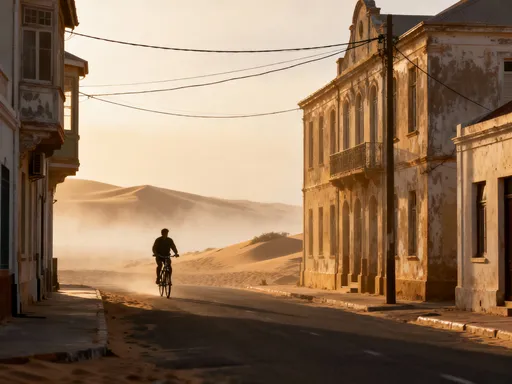
Arriving in Swakopmund feels like stepping into a forgotten chapter of geography. The town rises abruptly from the Namib Desert’s edge, a neat grid of wide streets and gabled roofs that could belong to a Bavarian village—except for the ochre dunes pressing against the western boundary and the cold Atlantic stretching endlessly to the west. This contrast is immediate and striking. One moment, you're walking past a café with flower boxes spilling geraniums, the next, you're staring at a sand drift encroaching on a sidewalk, as if the desert is patiently waiting to reclaim what was never truly surrendered. The air carries a crispness unusual for southern Africa, cooled by the Benguela Current that sweeps up from Antarctica, bringing not only frigid waters but also the daily fog that cloaks the city each morning like a silver veil.
The colonial architecture dominates the central area, a legacy of Germany’s late 19th-century presence in what was then German South West Africa. Buildings with ornate eaves, steeply pitched roofs, and sandstone facades stand in orderly rows, well-preserved and often repurposed as guesthouses, museums, or art galleries. There is a tidiness to the town center that feels almost anachronistic—benches are painted in matching pastels, street signs are crisp, and the roads are quiet. Yet just a few blocks west, the pavement gives way to sand, and the city ends not with a fence, but with a dune that rolls like a frozen wave toward the sea. This proximity of order and wildness defines Swakopmund’s essence. It is a place built on resistance—resistance to heat, to aridity, to isolation—and yet it thrives not in defiance, but in harmony.
The daily fog is more than atmospheric theater; it is a lifeline. Known locally as the 'Namib fog,' it rolls in from the ocean each night and morning, condensing on surfaces and providing moisture that sustains both plant life and human ingenuity. Residents speak of it with a kind of reverence, as though it were a visiting spirit. It softens the harsh sunlight, muting colors and blurring outlines, transforming the city into a watercolor sketch for a few hours each day. For visitors, it adds an element of mystery. Landmarks appear and disappear. Footsteps echo in the damp air. The ocean is heard long before it is seen. This interplay of visibility and obscurity becomes a metaphor for the city itself—there is always more beneath the surface than first meets the eye.
The Quiet Heart of the Cityscape
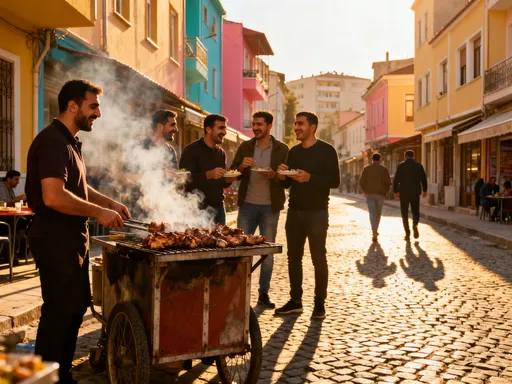
Beyond the colonial postcard image lies a different Swakopmund—one shaped by its Namibian residents and daily rhythms far removed from tourist brochures. Neighborhoods like Mondesa and Tamariskia, located east of the central district, offer a more intimate portrait of urban life. These areas emerged during the apartheid era as designated townships, but today they pulse with creativity, resilience, and community spirit. The houses are modest, often painted in bright blues, yellows, and greens, with corrugated metal roofs and hand-painted signs marking local businesses. Street vendors sell kapana (grilled meat), fresh mangoes, and woven crafts, while children play soccer in open lots between homes.
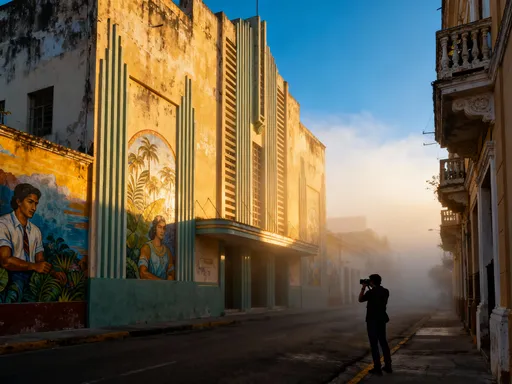
Walking through Mondesa, one is struck by the vibrancy of expression. Murals adorn walls—some depict historical figures like Hendrik Witbooi, a 19th-century Nama leader, while others celebrate unity, education, or environmental awareness. Music spills from open windows—Afrobeats, gospel, or traditional Herero melodies. These neighborhoods are not museums of culture but living, evolving spaces where tradition and modernity coexist. Unlike the hushed colonial center, where silence is part of the charm, here life is audible, present, and unapologetically full.
Visitors who take the time to explore these areas on foot or by bicycle often describe a shift in perspective. The pace slows, interactions deepen, and the city reveals a warmth that contrasts with its cool climate. Local guides sometimes offer walking tours, not to showcase monuments, but to share stories—of family, survival, and hope. One might stop at a community center where women weave baskets from desert grasses, or a small church where Sunday services are accompanied by powerful choral singing. These moments are not staged for tourism; they are part of the fabric of daily life. To experience them is to understand that Swakopmund is not just a place of scenic beauty, but of human depth.
Accessibility remains a challenge in some areas, with uneven roads and limited signage, but this only adds to the authenticity of the experience. There are no souvenir shops here, no guided coach tours. What exists is real—sometimes raw, often humble, but always honest. For the mindful traveler, this is where the soul of the city truly resides, not in its preserved facades, but in the laughter of children returning from school, the smell of grilled meat on a Friday evening, and the quiet dignity of people building lives on the edge of a desert.
Architecture with a Story
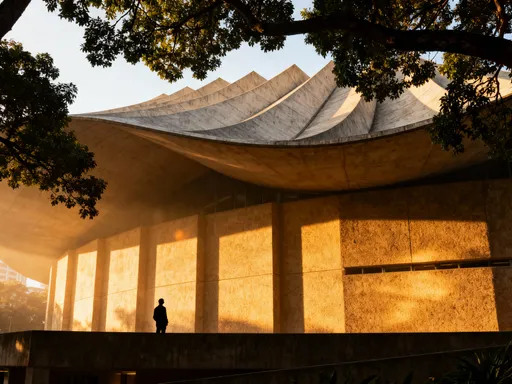
The buildings of central Swakopmund are more than picturesque relics; they are silent storytellers of a complex past. Structures like the Woermannhaus, with its turreted corners and arched windows, or the old railway station, complete with a clock tower and wooden platform, were built to project power and permanence. Constructed in the early 1900s, they served as administrative hubs during the German colonial period. Yet today, they do not stand as monuments to empire, but as repurposed spaces that reflect a city learning to live with its history without being bound by it.
The Woermannhaus, once a trading company headquarters, now houses a maritime museum, where exhibits focus on shipwrecks along the Skeleton Coast, marine ecology, and the history of seafaring in the region. The shift in narrative—from commerce and control to conservation and culture—is symbolic. Similarly, the railway station, though no longer a major transport hub, remains a gathering place. Its waiting room has been transformed into a café where locals sip coffee beneath exposed wooden beams, and tourists browse postcards beneath vintage signage. These adaptations do not erase the past but reframe it, allowing history to serve the present.
Architectural preservation in Swakopmund is meticulous, but not nostalgic. The town has not frozen itself in time for the sake of charm. Instead, it has chosen to maintain the physical legacy of its colonial era while ensuring that function evolves. Old warehouses now host art galleries showcasing Namibian painters and sculptors. A former post office building contains a small cinema that screens African films. Even private homes, with their wraparound verandas and louvered shutters, have been updated with solar panels and rainwater harvesting systems, blending historical aesthetics with modern sustainability.
This layering of time gives Swakopmund a unique texture. One can stand on a sidewalk and see three centuries in a single glance: the 19th-century architecture, the 20th-century streetlights, and the 21st-century electric bicycles parked outside a bakery. There is no attempt to sanitize or simplify the past. Instead, the city embraces its complexity, allowing buildings to age gracefully while finding new roles in a changing society. For the observant traveler, this architectural dialogue offers a deeper understanding—not just of design, but of identity, memory, and renewal.
Where Desert Meets Urban Life
In Swakopmund, the desert is not a backdrop—it is a participant. Sand drifts into gardens, collects in corners, and shifts across pathways after strong winds. Dunes rise like sentinels just beyond the last row of houses, their crests catching the morning light in golden waves. This constant presence shapes how people live. Fences are built not just for privacy, but to slow the advance of sand. Windows are sealed tightly. Gardens rely on drought-resistant plants like succulents, aloes, and wild sage, which thrive in poor soil and minimal water. Even the city’s layout seems to bow to the desert, with wide streets designed to allow wind to carry sand through rather than pile up.
One of the most remarkable adaptations is fog harvesting. Along the coastal ridge, mesh nets are stretched between poles, capturing moisture from the morning fog. As droplets form and coalesce, they trickle down into collection troughs and are channeled into storage tanks. This low-tech, sustainable method provides water for irrigation and even some household uses. It is a quiet innovation, born of necessity, and a testament to human ingenuity in extreme conditions. Schools and community centers sometimes use these systems, turning environmental challenges into educational opportunities.
Wildlife, too, finds a way. Oryx, with their long, elegant horns, are occasionally spotted near the desert’s edge, moving silently across the sand. Smaller creatures—geckos, beetles, and lizards—dart through cracks in walls or under rocks, thriving in microclimates created by shade and moisture. Birdwatchers might glimpse the elusive Damara tern or the Hartlaub’s gull along the shoreline. These sightings are not part of a safari; they are everyday moments, reminders that nature is not kept at bay, but allowed to intermingle with urban life.
The relationship between city and desert is not one of conflict, but of coexistence. Residents speak of the dunes with respect, even affection. They know that the desert does not belong to them; they belong to the desert. This humility shapes the city’s character. There is no grand attempt to conquer the landscape—only a quiet effort to live within it, to listen to its rhythms, and to adapt. In doing so, Swakopmund offers a model of urban resilience, not through massive infrastructure, but through subtle, sustained harmony.
Hidden Corners with Character
While the main attractions draw visitors—the promenade, the museum, the colonial buildings—the true magic of Swakopmund often lies off the map. A narrow path behind the lighthouse leads to a stretch of beach where the sand is firm and the only sounds are the crash of waves and the cry of gulls. Here, the ocean feels wilder, less tamed by human presence. On clear days, the horizon stretches uninterrupted, and the air carries the sharp scent of salt and kelp. It is a place for solitude, for walking without destination, for watching the light change as the sun dips below the fog line.
Another quiet spot is the old stone church on a side street, its spire rising above a grove of wind-bent acacias. Built over a century ago, it no longer hosts regular services, but it remains a place of stillness. Locals sometimes pause here to sit on the bench outside, eyes closed, breathing in the cool air. There are no crowds, no entry fees, no plaques explaining its history—just presence. Nearby, a small café with a sea view serves strong coffee and homemade koeksisters, a sweet pastry with Cape Malay roots. The owner, a woman in her sixties, greets regulars by name and offers extra sugar with a wink. It is the kind of place discovered by accident, remembered for years.
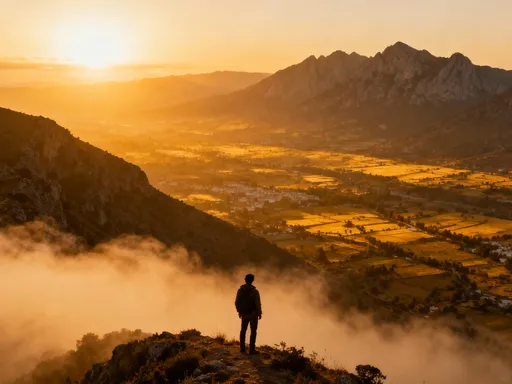
Along the northern edge of town, a rocky outcrop offers a secluded viewpoint. From here, one can see the entire arc of the bay, the harbor, and the dunes rolling inland like frozen waves. At sunset, the sky turns from gray to peach to deep violet, and the city lights begin to flicker on. It is not a famous landmark, but it feels significant—like standing at the edge of two worlds, the human and the elemental. Travelers who find these places often speak of a sense of discovery, not because they have uncovered something secret, but because they have slowed down enough to notice what was always there.
These hidden corners do not demand attention. They do not have social media hashtags or tour bus drop-offs. Instead, they offer something rarer: peace, authenticity, and the quiet joy of stumbling upon beauty without planning. In a world of curated experiences, such moments feel like gifts. They remind us that the best parts of travel are often unscripted, born not from itineraries, but from curiosity and stillness.
Local Rhythms and Urban Flow
Time moves differently in Swakopmund. Mornings begin slowly, with fishermen unloading their catch at the harbor and joggers pacing along the waterfront. By midday, when the fog lifts and the sun gains strength, life shifts to shaded squares and covered terraces. Children walk home from school in neat uniforms, laughing as they pass bakeries that send warm scents into the air. Shops open and close with a relaxed consistency—there is no rush, no pressure to oversell. Even on weekends, the streets remain calm, with few cars and no honking.
This unhurried pace is not due to lack of activity, but to a deliberate rhythm. The climate encourages moderation. The cold sea discourages long swims. The fog limits visibility, making haste feel unnecessary. People walk, cycle, or sit. Conversations last longer. Meals are eaten without checking phones. There is a sense of being present, of inhabiting the moment without distraction. Compared to busier coastal cities like Cape Town or Durban, Swakopmund feels breathable, almost meditative in its calm.
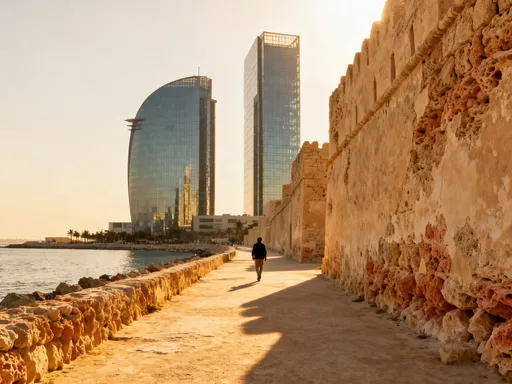
The waterfront exemplifies this flow. A paved path runs along the shore, popular with walkers, cyclists, and families. Benches are spaced at intervals, inviting rest. Kiosks sell fresh oysters, coffee, and warm blankets for chilly evenings. In the late afternoon, couples stroll hand in hand, and dogs dart after balls in the sand. There are no loudspeakers, no vendors shouting, no aggressive sales tactics. The ocean provides the soundtrack—waves, wind, and the distant cry of birds. It is public space used as it should be: for gathering, reflecting, and simply being.
This rhythm extends to daily routines. Markets operate on a small scale, with farmers selling vegetables grown in nearby oases. Bakeries open early but close by evening. Schools let out at four, and families gather for supper soon after. There is no 24-hour culture, no artificial extension of the day. Night falls quietly, and the city sleeps. For visitors accustomed to constant stimulation, this can feel unfamiliar at first. But many come to appreciate it—a reminder that life does not need to be loud to be full, that slowness can be a form of richness.
Why This City Stays With You
Swakopmund does not dazzle; it lingers. It is not the kind of place that overwhelms with sights or sensations, but one that settles into memory like a quiet conversation remembered years later. What stays is not just the image of dunes meeting sea, but the feeling of fog on skin, the sound of a distant church bell, the warmth of coffee in a small café. It is the realization that beauty can be understated, that history can be lived rather than displayed, and that a city can breathe.
This is a place that rewards slowness. It asks not to be rushed through, but to be felt. To walk its streets is to practice patience, to notice small things—the way light hits a sandstone wall, the pattern of fog on glass, the smile of a stranger who says good morning in three languages. It teaches that travel is not only about distance covered, but depth reached. In a world that glorifies speed and spectacle, Swakopmund offers a counter-narrative: that meaning is found in stillness, in the spaces between.
Its lasting impression comes from contrast—of desert and ocean, of past and present, of silence and sound. But more than that, it comes from balance. The city does not resist its environment; it listens to it. It does not hide its history; it reinterprets it. It does not chase crowds; it preserves calm. In doing so, it becomes more than a destination. It becomes a reflection of values—of sustainability, dignity, and quiet resilience.
For the traveler, especially one seeking meaning beyond the surface, Swakopmund offers a gentle invitation: to look closer, to stay longer, to listen. To find the stories not in guidebooks, but in side streets, in shared silences, in the way the dunes seem to watch over the town like ancient guardians. They do not speak, but they remember. And if you are still enough, you might hear what they have to say.