You Won’t Believe What I Found in Bern — A Hidden Cultural Gem
Bern, Switzerland, is more than just the country’s quiet capital — it’s a living storybook of medieval charm and quiet sophistication. I didn’t expect to fall in love with its cobblestone alleys and clock-tower rhythms, but I did. This city blends tradition and authenticity in ways that surprise even seasoned travelers. Let me take you through the real Bern — not the postcard version, but the one locals whisper about. Here, history isn’t preserved behind glass; it pulses through daily life, from the rhythm of the Zytglogge’s chimes to the scent of freshly baked bread drifting from century-old bakeries. Bern doesn’t shout for attention — it draws you in with quiet confidence, revealing its layers only to those who walk slowly, observe closely, and listen.
First Impressions: Stepping Into a Time Capsule
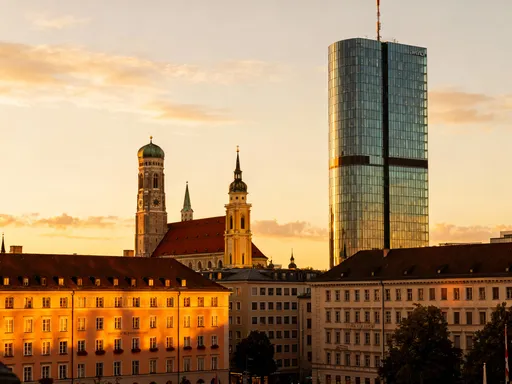
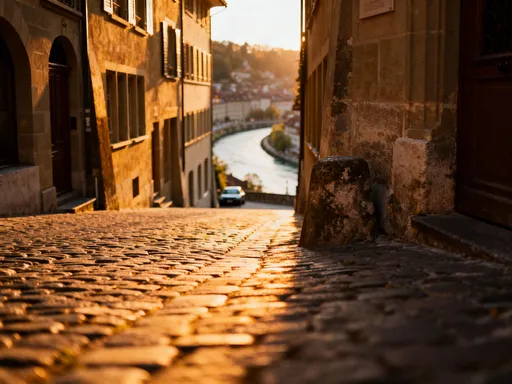
The first thing you notice when arriving in Bern is the silence. Not complete stillness, but the absence of honking horns, screeching brakes, and the usual urban clamor. The Old Town, a UNESCO World Heritage Site since 1983, is largely car-free, a rare and precious quality in modern European capitals. As you step onto the cobbled streets, the sandstone buildings glow in warm golden hues, especially in the late afternoon light, reflecting the unique local limestone used in construction since the 12th century. The arcades — or Lauben — stretch for over six kilometers, offering shelter from rain or sun, inviting you to wander without urgency.
The Aare River wraps around the city like a protective embrace, its emerald waters rushing with quiet power beneath stone bridges. From the Nydeggbrücke, you can see kayakers navigating the currents in summer, while in winter, the riverbanks are lined with locals walking dogs or enjoying crisp morning air. The city’s layout follows the curve of the river, creating a natural fortress that once defended its people and now defines its intimate scale. Everything is within walking distance — the Federal Palace, the Cathedral, the bustling Marktgasse — making Bern ideal for unhurried exploration.
UNESCO’s recognition is not just a title; it’s visible in the meticulous preservation of Bern’s architectural harmony. Regulations ensure that new developments respect the historic fabric, and restoration projects use traditional materials and techniques. Even modern signage blends subtly into the sandstone facades. This continuity gives Bern a coherence many cities have lost. There’s no jarring contrast between old and new — just a seamless evolution that honors the past without being trapped by it. Visitors feel this immediately: a sense of stepping into a place where time moves differently, not slower, but with more intention.
The city’s compactness enhances this experience. Unlike sprawling capitals that demand transit maps and long commutes, Bern rewards foot travel. You can cross the entire Old Town in under 20 minutes, yet each turn reveals something new — a hidden courtyard, a centuries-old fountain, a small gallery tucked beneath an archway. This accessibility makes Bern especially welcoming for families, older travelers, and those who prefer depth over distance. It’s a city that invites you to linger, not rush — to pause under the clock tower and let the chimes mark not just the hour, but a moment of presence.
The Heartbeat of Tradition: Bern’s Cultural Identity
Bern is often overshadowed by Switzerland’s more flamboyant cities — Zurich’s financial energy, Geneva’s international flair, Lucerne’s lakeside romance. Yet Bern possesses a cultural identity that is both distinct and deeply rooted. As the capital of the canton of Bern and the de facto political heart of Switzerland, it carries a quiet dignity that reflects its long history of governance and civic pride. The city is German-speaking, but with a Bernese German dialect that can be challenging even for native speakers from Germany. This linguistic uniqueness is more than a curiosity — it’s a marker of regional identity, a reminder that Bern has always maintained its own rhythm.
Traditions here are not staged for tourists but woven into the fabric of daily life. Take Fasnacht, the pre-Lenten carnival celebrated with parades, masked processions, and music. While Basel’s Fasnacht is more famous, Bern’s version is no less vibrant — just more subdued, reflecting the city’s reserved character. Locals dress in handcrafted costumes, play traditional instruments like the piccolo and drum, and follow routes that have changed little over generations. The event isn’t about spectacle; it’s about continuity, community, and a shared sense of belonging.
Another hallmark of Bernese culture is craftsmanship. The city has long been a center for watchmaking, printing, and textile production — industries that value precision, patience, and attention to detail. This ethos extends to everyday life. You see it in the care taken in maintaining historic buildings, in the quality of locally made chocolates, and in the pride bakers take in their sourdough loaves. Even public services reflect this standard — train stations are immaculate, trams run on time, and customer service is courteous without being performative.
Religious heritage also plays a role, though subtly. The Münster of Bern, with its soaring spire and intricate stonework, dominates the skyline. While church attendance has declined, as in much of Europe, the cathedral remains a spiritual and cultural landmark. Its daily noon chimes, played on a 53-bell carillon, are a moment of collective pause — not necessarily religious, but ritualistic, a shared experience in a secular age. This balance between tradition and modernity defines Bern: respect for the past without resistance to change.
Beyond the Bear Pit: Symbolism and Storytelling in the City
No discussion of Bern is complete without the bear. The animal appears everywhere — on the city’s coat of arms, in fountain sculptures, on shop signs, and even in street art. The legend traces back to 1191, when Duke Berchtold V reportedly named the city after the first animal he hunted in the area: a bear, or Bär in German. Over time, the bear evolved from a mere namesake to a symbol of strength, resilience, and civic identity.
The modern Bear Park (BärenPark), opened in 2009, reflects a more ethical approach to this tradition. Unlike the old bear pit, which drew criticism for cramped conditions, the new enclosure spans 6,000 square meters along the Aare River, featuring natural terrain, climbing rocks, and a flowing stream. Visitors can observe the bears from elevated walkways, minimizing disturbance. The park is home to bears rescued from inadequate facilities abroad, and its design prioritizes animal welfare over spectacle. This shift mirrors broader societal values — a move toward compassion and sustainability, even in symbolic practices.
Yet the bear’s presence extends far beyond the park. The Zähringerbrunnen, one of Bern’s famous 16th-century fountains, depicts a warrior riding a bear, blending myth and history. Local businesses incorporate the animal into their branding — from bakeries to breweries — not as a gimmick, but as a point of pride. Even children’s books and school projects often feature bears, reinforcing the connection from generation to generation.
The bear motif also appears in unexpected places — a mosaic on a side street, a wrought-iron balcony shaped like claws, a stencil on a utility box. These details are not curated for tourists; they emerge organically from a city that sees itself through this lens. The bear is not just an emblem; it’s a narrative thread, reminding residents and visitors alike of Bern’s origins, its endurance, and its unique character. In a world of generic city branding, Bern’s identity remains unmistakable — rooted, authentic, and alive.
Culinary Rhythms: Tasting Bern One Bite at a Time
To understand Bern is to taste it. The region’s cuisine reflects its alpine climate, agricultural heritage, and Germanic influences. Meals are hearty, seasonal, and deeply satisfying — not flashy, but full of character. One of the most beloved local specialties is Zigerkrapfen, a deep-fried pastry filled with Ziger, a fresh cheese made from whey, often flavored with lemon zest and raisins. Served warm, sometimes dusted with powdered sugar, these dumplings are a treat found in traditional bakeries, especially in the colder months.
Another staple is the Berner Platte, a substantial platter featuring a variety of smoked and boiled meats — such as pork belly, sausages, and ham — served with sauerkraut, beans, and boiled potatoes. It’s a dish born of necessity, designed to sustain farmers and laborers through long winters. Today, it’s a weekend favorite, often enjoyed in cozy Gasthäuser with a glass of local white wine or apple cider. While rich, the flavors are balanced by the acidity of the sauerkraut and the earthiness of the beans.
For a lighter option, try Berner Rüeblitorte, a carrot cake unlike any other. Dense, moist, and spiced with cinnamon and nutmeg, it often includes ground almonds and a hint of orange. The crust is made from shortbread, giving it a delicate crunch. This dessert is a point of local pride — every family seems to have its own recipe, passed down through generations.
To experience Bernese food authentically, visit the Kramgasse or Spitalgasse, where small, family-run eateries serve daily specials. Avoid restaurants with multilingual menus displayed outside — a common sign of tourist targeting. Instead, look for handwritten chalkboards listing the Tagesmenu. The Bäckerei-Konditorei Bachmann, while slightly more commercial, maintains high standards and offers a wide range of regional pastries. For a truly local experience, visit the Markthalle am Kornhausplatz, an indoor market housed in a historic building. Here, you’ll find artisanal cheeses, fresh produce, and prepared foods from across the canton, all in a warm, communal setting.
Seasonal markets also play a vital role. The Christmas market at the Federal Palace is renowned, but the spring and autumn farmers’ markets are equally rewarding. Vendors sell honey, jams, and freshly baked bread, often using organic ingredients from nearby farms. These markets aren’t just shopping destinations — they’re social hubs, where neighbors greet each other by name and exchange recipes. Food in Bern is not just sustenance; it’s connection, memory, and celebration of place.
Hidden Corners: Offbeat Spots That Define Authenticity
While the Zytglogge and the Münster draw well-deserved attention, Bern’s true magic lies in its lesser-known corners — places that reward curiosity and a willingness to wander without a map. One such spot is the Ammannsprung, a quiet courtyard tucked behind a nondescript doorway on Marktgasse. Once the site of a medieval merchant’s residence, it now hosts a small café with ivy-covered walls and wooden benches. It’s the kind of place where time seems to pause, perfect for a midday coffee or a quiet read.
Another hidden gem is the Bundesbriefarchiv, or Federal Charter Archive, located near the Nydegg Church. Housed in a 15th-century building, it preserves Switzerland’s foundational documents, including the original Federal Charter of 1291. The exhibits are modest but profound, offering insight into the nation’s origins as a confederation of independent cantons. What makes this museum special is its intimacy — no crowds, no audio guides, just quiet rooms where history speaks softly.
For a different perspective, follow the Aare River Path east from the Marzili district. Most tourists stop at the popular Marzilibad, where locals swim in summer, but continuing along the trail reveals quiet meadows, birdwatching spots, and views of the city from across the water. In spring, wildflowers bloom along the banks, and in autumn, the trees reflect gold and red in the river’s surface. This path is used by joggers, dog walkers, and retirees — a true slice of local life.
The Print Museum, run by the Bernese Printing Society, is another under-the-radar treasure. Located in a former schoolhouse, it showcases the history of printing in Switzerland, from Gutenberg-era presses to modern typography. Volunteers, many of them retired printers, offer guided tours with genuine passion. You can even try letterpress printing yourself, creating a small keepsake with movable type. It’s a hands-on experience that connects you to a craft that shaped communication and culture.
These places are not secrets — they’re simply overlooked by those who stick to guidebook checklists. Bern does not hide its treasures; it reveals them gradually, to those who move slowly and look closely. There’s no need for exclusivity or hype. The city extends an open invitation: explore, discover, belong.
Practical Magic: Navigating Bern with Ease and Insight
One of the greatest pleasures of visiting Bern is how easy it is to navigate. The city is compact, walkable, and well-organized, making it ideal for travelers of all ages. Upon arrival, whether by train or bus, look for the Bern Welcome Card, provided free of charge by most hotels and guesthouses. This card offers unlimited travel on public transport within the city, including trams, buses, and the funicular to the Bear Park. It also includes discounts at museums, guided tours, and select restaurants — a small perk that adds up over a few days.
The best time to visit key attractions is early morning or late afternoon. The Zytglogge, for example, draws crowds at noon when the clock’s mechanical figures perform their famous dance. Arriving 15 minutes before or after allows you to view the show with space to breathe. Similarly, the Münster is less crowded in the early hours, offering a more contemplative experience. If you plan to visit the Bear Park, late afternoon is ideal — the bears are often more active, and the light along the river is especially beautiful.
For walking routes, consider a loop that begins at the Hauptbahnhof (main train station), proceeds through the arcades of Kramgasse, passes the Zytglogge, continues to the Münster, and then descends to the Aare via Nydeggsteg. This route covers the highlights while introducing you to the city’s rhythm. Wear comfortable shoes — the cobblestones are charming but uneven. A light jacket is advisable, as Bern’s weather can shift quickly, even in summer.
Timing your visit to coincide with local events enhances the experience. The Bern Festival of Lights in September transforms the Old Town with illuminated installations, while the Jazz Festival in July brings music to parks and plazas. The weekly farmers’ market at Bärenplatz, held every Saturday morning, is worth planning around — a chance to taste local products and observe daily life. If you’re traveling with children, the Einstein Museum (Haus zum Jägertor) offers interactive exhibits about the physicist’s time in Bern, where he developed the theory of relativity while working at the patent office.
Public restrooms are clean and widely available, often located in train stations, shopping arcades, and major squares. Tap water is safe to drink, and many fountains offer fresh, cold water — a small luxury in a city that values sustainability. With a little planning and awareness, Bern reveals itself not as a destination to conquer, but to savor.
Why Bern Stays With You — The Quiet Power of Cultural Depth
In an age of curated travel, where destinations are often chosen for their Instagram appeal, Bern stands apart. It does not dazzle with grand monuments or neon-lit skylines. It does not need to. Its strength lies in its coherence — a city where every element, from architecture to cuisine to daily rituals, reflects a shared cultural thread. There is no dissonance, no forced fusion of old and new. Instead, there is harmony — a sense that Bern knows who it is and moves through time with quiet confidence.
This is what lingers long after you leave. Not just memories of pretty views or delicious meals, but a feeling — of being in a place that lives its culture rather than performs it. In Paris, you see history on display. In Rome, you walk among ruins. In Bern, you walk *within* history, as part of it. The arcades shelter you not just from rain, but from the rush of the modern world. The chimes of the Zytglogge don’t just tell time — they invite you to be present.
Bern challenges the notion that travel must be loud, fast, or extreme to be meaningful. It offers an alternative: depth over spectacle, authenticity over novelty, stillness over speed. It’s a city for those who appreciate subtlety — the way light hits a fountain at dusk, the sound of a baker opening shop at dawn, the pride in a well-kept garden behind a sandstone wall.
And perhaps that is the greatest gift Bern offers — a reminder that beauty and meaning often reside in the quiet places, the unadvertised corners, the traditions upheld without fanfare. It invites us to slow down, to observe, to listen. Not every destination speaks in bold declarations. Some, like Bern, speak softly — but deeply. And if you’re willing to lean in, you might just hear something that stays with you for a lifetime.