You Won’t Believe This Hidden Festival Culture in Isfahan
Isfahan isn’t just about grand mosques and UNESCO sites—beneath its historic surface pulses a living festival culture most tourists never see. I wandered into a neighborhood celebration during Nowruz, where locals danced in courtyards, sang ancient songs, and invited strangers like me to share in the joy. This isn’t performance for tourists; it’s real, intimate, and deeply rooted. The scent of hyacinth mingled with the smoke of burning wild rue, children laughed as they played leapfrog across cobblestone alleys, and elders offered sweets with warm, knowing smiles. If you’ve only seen postcard Iran, you’ve missed the soul.
Beyond the Guidebooks: Discovering Isfahan’s Untold Traditions
Most travelers arrive in Isfahan with a mental checklist: Naqsh-e Jahan Square, Sheikh Lotfollah Mosque, the Ali Qapu Palace, and the famed Chehel Sotoun gardens. These landmarks are, without question, breathtaking—masterpieces of Safavid architecture that deserve their global acclaim. Yet for all their grandeur, they represent only one layer of the city’s identity. Beneath the polished stone and intricate tilework lies a quieter, more personal rhythm—one shaped not by emperors or architects, but by generations of families who have lived, celebrated, and passed down traditions in the same winding alleys for centuries.
What many visitors don’t realize is that Isfahan’s true cultural heartbeat is not confined to museums or monuments. It pulses in the courtyards of old homes, in the shared meals of religious festivals, and in the seasonal rituals that mark the turning of the year. These traditions are not staged for tourists. They are not ticketed events or curated experiences. Instead, they unfold organically, often in residential neighborhoods far from the main tourist routes. The difference between a guided tour of a historic site and an invitation into a family’s Nowruz gathering is not just logistical—it’s emotional. One informs the mind; the other touches the heart.
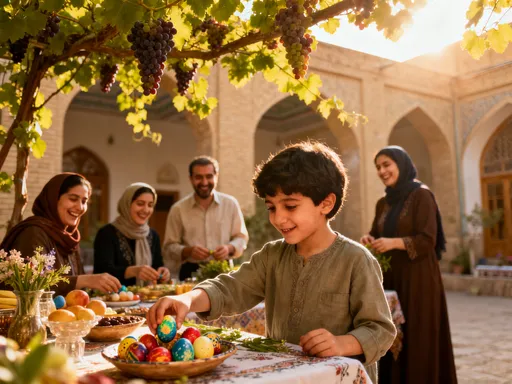
I first encountered this hidden world by accident. Strolling through the Jolfa district one spring morning, I turned down a narrow lane lined with pomegranate trees in bloom. The sound of music drew me forward—soft daf drumming, the laughter of children, and the rich, melodic cadence of Persian poetry. At the end of the alley, a wooden gate stood open, revealing a courtyard filled with people. A Haft-Seen table glittered under the sunlight, adorned with sprouting wheat, painted eggs, and silver mirrors. An elderly woman beckoned me inside, placing a sprig of hyacinth in my hand. “Nowruz pirooz,” she said—“May your New Year be victorious.” In that moment, I wasn’t a tourist. I was a guest. And that distinction changed everything.
Nowruz in the Neighborhoods: A Festival Like No Other
Nowruz, the Persian New Year, marks the spring equinox and is celebrated across Iran with deep reverence and joyful anticipation. In Isfahan, the festival is not limited to public ceremonies or televised events. It begins in homes, where families spend days preparing the Haft-Seen table—a symbolic arrangement of seven items starting with the Persian letter ‘sin’ (س), each representing a hope for the coming year: health, prosperity, love, rebirth, and more. Sabzeh (sprouted wheat or lentils) signifies renewal; samanu (a sweet pudding) stands for affluence; senjed (dried oleaster fruit) embodies love.
What makes Nowruz in Isfahan especially remarkable is the openness of its people. Unlike in some cities where celebrations are private, many families in Isfahan’s historic districts welcome visitors, especially on Sizdah Bedar, the thirteenth day of the New Year when Iranians traditionally spend the day outdoors. Parks fill with picnics, but so do the courtyards of old homes. In neighborhoods like Jolfa, Gabrik, and the historic center near the Khaju Bridge, families set out extra cushions, serve tea and pastries, and invite passersby to join them. This is not performance. It is hospitality—a cultural value so deeply ingrained that it transcends language and nationality.
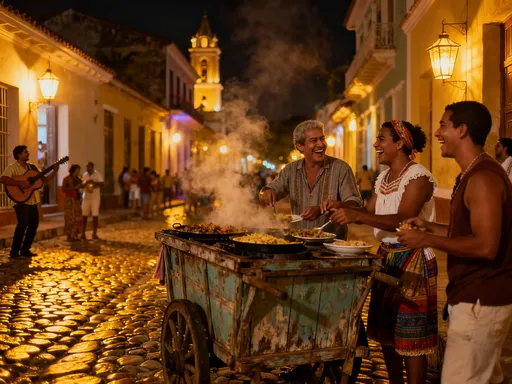
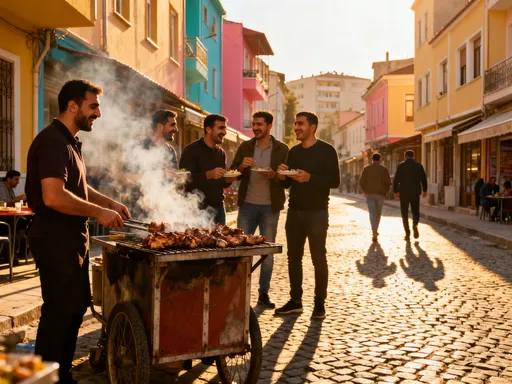
Children play traditional games like “Amir Kashegara,” a playful reenactment of a folk tale involving a mischievous cat, while elders recite poetry from Hafez or Ferdowsi. The air is filled with the scent of grilled kebabs and fresh herbs. Music flows naturally—from daf and tar instruments to spontaneous singing. There are no microphones, no stages, no choreography. The joy is unfiltered, the connections immediate. For a traveler, this is not just observation; it is participation. And in that participation, there is a rare kind of belonging—one that lasts long after the festival ends.
Ashura Beyond the Main Squares: Local Devotion and Community Spirit
While Nowruz is a celebration of life and renewal, Ashura—a solemn observance during the Islamic month of Muharram—reflects a different dimension of Isfahan’s spiritual culture. Across Iran, Ashura commemorates the martyrdom of Imam Hussein, the grandson of the Prophet Muhammad, at the Battle of Karbala. In major cities, the day is marked by large public processions, but in Isfahan’s residential neighborhoods, the observance takes on a more intimate, community-centered form.
In areas like New Julfa, home to a historic Armenian Christian community, and Gabrik, with its strong Shia traditions, Ashura is observed with quiet dignity. Neighborhood mosques and husseiniyas (community halls) host daily gatherings throughout the ten days leading up to Ashura. These are not tourist spectacles. They are deeply personal moments of reflection, mourning, and solidarity. Men and women gather separately, listening to recitations of the events of Karbala, their voices rising in lamentation. The atmosphere is one of collective grief, but also of resilience.
One of the most moving traditions is the performance of ta’zieh, a form of passion play unique to Iran. Unlike Western theatrical productions, ta’zieh is not about entertainment. It is a ritual drama, performed in courtyards or open squares, where actors portray the suffering of Imam Hussein and his family. The performances are often led by local volunteers—teachers, shopkeepers, even children—who rehearse for weeks. The emotional intensity is palpable, and while non-Muslim visitors may not fully understand the religious context, the sincerity of the participants is universally felt.
Equally significant is the practice of nazri, the offering of free meals to the public. In the days of Muharram, it is common to see large pots of ash-e anar (pomegranate soup) or rice with herbs being prepared in alleyways and distributed to anyone who passes by—regardless of faith or background. This act of charity is not just religious duty; it is a social bond, a reminder that community is built on compassion. For a visitor, witnessing these rituals is not about spectacle, but about understanding a culture where faith and daily life are inseparable.
Craft Festivals in Hidden Courtyards: Where Art Meets Tradition
Isfahan has long been celebrated as a center of Persian craftsmanship. From the intricate tilework of its mosques to the delicate patterns of its carpets, the city’s artistic heritage is visible everywhere. Yet, beyond the souvenir shops and government-run craft centers, there exists a quieter, more authentic scene—one where artisans open their homes to share their work in intimate, seasonal gatherings.
Several times a year, particularly during spring and autumn, private homes in the historic districts are transformed into temporary galleries. These are not commercial fairs, but community events where master craftsmen demonstrate their skills and sell their pieces directly to visitors. In a courtyard in the Armenian quarter, I watched an elderly calligrapher dip his reed pen into black ink and write verses from Rumi with a hand that never trembled. Nearby, a young woman painted miniature scenes of Isfahan’s bridges on silk, her brush finer than a single strand of hair. In another corner, a tile-maker showed how traditional hexagonal tiles are shaped, glazed, and fired using methods unchanged for centuries.
These gatherings are not advertised in guidebooks. They are shared through word of mouth, local networks, or invitations from guesthouse owners who know the families involved. Attendance is small—rarely more than thirty people—and the atmosphere is conversational. Visitors are encouraged to ask questions, touch the materials, and even try their hand at simple techniques. A mother from London, traveling with her teenage daughter, spent an hour learning to write her name in Persian script. “It’s not just about buying something,” she said. “It’s about connecting with the person who made it.”
What makes these events so valuable is their role in preserving endangered crafts. Many of these artisans struggle to make a living in a market flooded with machine-made imitations. By supporting them directly, travelers help sustain traditions that might otherwise fade. More than that, they become part of a cultural exchange—one that honors skill, patience, and the quiet dignity of handmade beauty.
Choosing the Right Time: When to Visit for Authentic Festival Experiences
To experience Isfahan’s hidden festival culture, timing is everything. While the city is beautiful year-round, certain seasons offer unparalleled access to authentic celebrations. Nowruz, which falls around March 20–21, is perhaps the most vibrant time to visit. The entire country shuts down for nearly two weeks, and families open their homes with exceptional generosity. The days leading up to Nowruz are filled with housecleaning, shopping for new clothes, and preparing special foods like sabzi polo with fish and kuku sabzi (herb frittata). Sizdah Bedar, the outdoor celebration on the thirteenth day, is especially welcoming to visitors.
Another ideal time is Yalda Night, the winter solstice celebrated in December. On this longest night of the year, families gather to eat pomegranates and watermelon, read poetry, and stay awake until dawn. In Isfahan, some neighborhoods host small Yalda gatherings in courtyards, where guests share stories and listen to live music. The mood is warm and reflective, a perfect contrast to the cold winter air.
Mehregan, an ancient festival of friendship and light, is celebrated in early autumn and is less widely observed than Nowruz or Yalda, but still visible in certain communities. It offers a quieter, more contemplative experience, with families exchanging small gifts and lighting candles in honor of Mithra, the Zoroastrian deity of light and covenant.
For those planning a visit, a few practical tips can enhance both comfort and respect. Dress modestly, especially when attending religious events—women should wear a headscarf and loose-fitting clothing, and men should avoid shorts. Always ask permission before taking photographs, particularly during solemn occasions like Ashura. And when invited into a home, bring a small gift—flowers, sweets, or a token from your own country—as a gesture of appreciation. These small acts of respect go a long way in building trust and opening doors to deeper experiences.
Getting There and Moving Around: Navigating Off-the-Beaten-Path Isfahan
Isfahan is well-connected to other major Iranian cities, making it accessible for travelers coming from Tehran, Shiraz, or Mashhad. The most common routes are overnight trains or buses, both of which are safe, affordable, and comfortable. The train journey from Tehran takes about six hours and offers scenic views of central Iran’s desert landscapes. From Shiraz, the ride is shorter—around four hours—and passes through rolling hills and traditional villages.
Once in Isfahan, the best way to explore the hidden festival culture is on foot or by local taxi. The historic center is compact and walkable, with many alleys too narrow for cars. Walking allows you to notice small details—the scent of baking bread from a neighborhood oven, the sound of a daf drum drifting from an open window, the sight of a Haft-Seen table glowing behind a latticed window. Local yellow taxis are inexpensive and can be hailed on the street. Drivers are often happy to drop you near specific neighborhoods, though it helps to have the name written in Persian or to show a map.
For deeper immersion, consider staying in a traditional guesthouse or restored caravanserai. These accommodations, often family-run, are located in the heart of historic districts and offer a more personal connection to the city. Some hosts are artists or historians who organize small cultural events—calligraphy workshops, tea ceremonies, or guided walks through festival neighborhoods. Staying in a place like this not only supports local businesses but increases your chances of being invited to private celebrations.
It’s also wise to connect with local cultural centers or tourism offices that promote community-based tourism. While large tour operators focus on major sites, smaller organizations often have relationships with neighborhood associations and can arrange respectful visits to ongoing festivals. These are not “tours” in the conventional sense, but introductions—moments of cultural exchange built on mutual respect.
Why These Hidden Festivals Matter: Preserving Iran’s Living Heritage
In an age of mass tourism and digital homogenization, the hidden festivals of Isfahan represent something rare: living culture. These are not reconstructed traditions or museum exhibits. They are practices passed down through generations, adapted but not diluted, surviving not because they are profitable, but because they matter. They reflect a worldview in which time is marked by nature and faith, where community is more important than individualism, and where hospitality is a sacred duty.
Yet these traditions face challenges. Urbanization, economic pressures, and the influence of global media have led some younger Iranians to view these customs as outdated. In some neighborhoods, old homes are being replaced by modern buildings, and the space for courtyard gatherings is shrinking. Artisans struggle to find apprentices. Without support, some of these practices could fade into memory.
This is where travelers have a role—not as spectators, but as respectful participants. By choosing to engage with authentic festivals, by supporting local artists, and by honoring cultural norms, visitors help sustain these traditions. Every tea shared, every question asked with genuine interest, every photo taken with permission contributes to a cycle of appreciation and preservation. Sustainable cultural tourism is not about changing the culture to fit the tourist. It is about protecting the culture so that it can continue to welcome the curious with open arms.
In the end, the hidden festival culture of Isfahan is not just about what you see. It is about how you feel. It is the warmth of a stranger’s smile as they offer you a cup of tea. It is the sound of a child’s laughter echoing through a 400-year-old courtyard. It is the quiet realization that, despite differences in language, faith, or origin, the desire for connection, celebration, and meaning is universal. To visit Isfahan and see only its monuments is to miss its soul. But to step into its festivals—to be welcomed, even briefly, into its living traditions—is to understand what it truly means to belong.