You Won’t Believe These Art-Filled Corners of Dublin
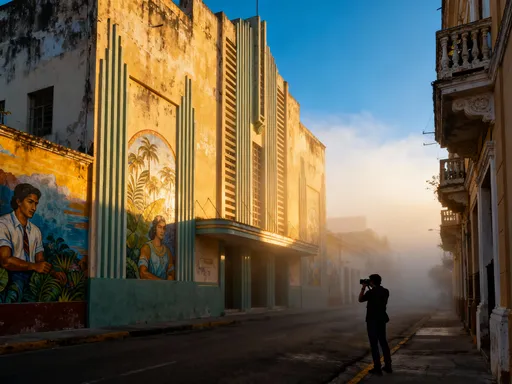
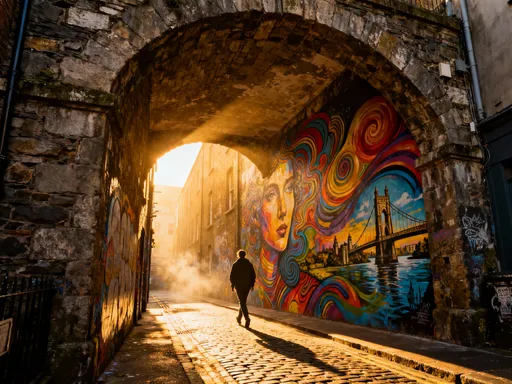
Dublin isn’t just about pint-stained pubs and literary legends—its soul pulses through color-splashed walls, quiet galleries, and unexpected street art tucked down cobbled lanes. I wandered the city with no map, just curiosity, and found myself face-to-face with murals that tell Ireland’s story in bold strokes. This is art not locked behind glass, but breathing in the streets, cafés, and hidden courtyards. Let me take you to the viewpoints where Dublin truly paints its truth.
The Heartbeat of Dublin’s Art Scene
Dublin’s artistic identity has long transcended the confines of formal institutions. While the city honors its literary and historical legacy, a more dynamic, grassroots movement has taken root—one where creativity flows freely through alleys, markets, and community centers. The city’s cultural heartbeat is increasingly defined by public art that invites interaction rather than observation. This shift reflects a broader embrace of inclusivity, where art is no longer reserved for the elite but is part of everyday life. Dublin’s local government and arts councils have played a role in this transformation, supporting initiatives that give emerging artists space to experiment and engage with neighborhoods directly.
Districts like Smithfield and The Liberties have become hubs of this cultural evolution. Once known primarily for their industrial past and working-class roots, these areas now pulse with creative energy. Old warehouses have been repurposed into artist studios, and vacant lots occasionally bloom into temporary installations during city-backed art festivals. These neighborhoods do not rely on grand galleries to validate their artistic worth. Instead, their value lies in authenticity—art that emerges organically from the community, reflecting local concerns, histories, and dreams. The murals in The Liberties, for instance, often pay tribute to the area’s role in Irish labor history, while Smithfield’s art scene leans into innovation, with digital projections and interactive sculptures appearing during seasonal events.
What makes Dublin’s art scene truly distinctive is its accessibility. Unlike cities where art is curated behind velvet ropes, Dublin encourages spontaneous encounters. A mother pushing a stroller might pause before a vibrant wall painting; a student might sketch a ceramic tile installation during a lunch break. This democratization of art fosters a sense of ownership among residents, who see their streets not just as thoroughfares but as evolving canvases. The city’s support for open-air exhibitions and temporary installations ensures that art remains fluid, ever-changing, and deeply connected to the rhythm of daily life.
Street Art as Storytelling
Walking through Dublin’s streets is like flipping through a visual diary of its social and cultural journey. Street art here is not mere decoration—it is storytelling in its most immediate form. From political slogans scrawled during times of protest to poetic stencils that capture quiet moments of reflection, the city’s walls bear witness to Ireland’s evolving identity. In the 1980s and 1990s, graffiti often carried strong political messages, reflecting tensions around national identity and economic hardship. Today, the tone has shifted. While social commentary remains present, there is a growing emphasis on beauty, memory, and connection.
One of the most powerful examples can be found in the legal graffiti zones near the Grand Canal Dock area. Here, artists are invited to contribute to designated walls, transforming what were once blank, neglected surfaces into rotating galleries of color and meaning. A mural might depict a child releasing a paper boat into a painted river, symbolizing hope and migration. Another might portray a traditional Irish musician mid-song, surrounded by swirling patterns that echo Celtic knotwork. These works are not random—they are carefully composed, often in dialogue with the city’s past and present.
The visual impact of these murals is undeniable, but their cultural context deepens their significance. Many pieces incorporate Gaelic script, native flora, or references to folklore, grounding them in Irish heritage. Others respond to contemporary issues—climate change, mental health, housing—offering a platform for public conversation. The evolution of street art in Dublin reflects a maturation of the medium, where technique and intention converge. What was once dismissed as vandalism is now recognized as a legitimate art form, taught in schools and celebrated in city-led programs. This acceptance has empowered a new generation of artists to use public space as both studio and stage.
Hidden Courtyards and Secret Murals
Beyond the main thoroughfares, Dublin reveals its most intimate artistic treasures in places you might easily overlook. Tucked behind unassuming archways, nestled within old brick courtyards, or tucked along narrow alleys, these hidden artworks reward the curious wanderer. There’s a quiet magic in stumbling upon a mosaic of recycled glass shimmering in the morning light, or discovering a series of stenciled poems embedded in the pavement, each line appearing only when viewed from a certain angle. These pieces are not meant for crowds—they are for the observer who slows down, who looks closely, who listens to the city’s whispers.
One such spot lies behind a centuries-old apothecary building in Temple Bar, where a secluded courtyard hosts a rotating series of ceramic installations. At first glance, it appears to be just another quiet corner, but closer inspection reveals delicate clay birds perched on iron railings, their wings painted in soft blues and greens. The work, created by a local collective, changes with the seasons—winter brings sculpted snowflakes, spring features blooming flowers pressed into clay. These subtle transformations invite return visits, each one offering a new layer of meaning.
Another hidden gem can be found near Christ Church Cathedral, where a narrow passageway opens into a sunlit alcove adorned with a large-scale mural. Painted in muted earth tones, it depicts a group of figures walking toward a distant horizon, their silhouettes blending into the landscape. The anonymity of the artist adds to the mystery, but locals speculate it was created as a tribute to resilience—perhaps in response to personal or collective hardship. The location is never crowded, allowing for contemplative viewing. These secret murals and installations thrive because they are not designed for Instagram fame. They exist for those who seek, who appreciate the beauty of discovery, and who understand that some of the most powerful art is found not in guides, but in serendipity.
Galleries with a Viewpoint
While Dublin’s streets pulse with creative energy, its established galleries offer a different kind of immersion—one that combines curation, history, and architectural elegance. Two institutions stand out for their ability to balance tradition with innovation: the Dublin City Gallery The Hugh Lane and the Irish Museum of Modern Art (IMMA). Both are rooted in Dublin’s cultural fabric, yet each provides a unique lens through which to understand the nation’s artistic journey.
The Hugh Lane, located in the neoclassical Charlemont House, houses one of Ireland’s most important collections of modern and contemporary art. Its permanent exhibits include works by Francis Bacon, whose studio was meticulously reconstructed within the gallery, offering visitors an intimate glimpse into the mind of a master. But the gallery’s strength lies not just in its holdings, but in its programming. Regular exhibitions spotlight emerging Irish artists, often in dialogue with international voices. The building itself enhances the experience—tall windows flood the rooms with natural light, and the central atrium creates a sense of openness, making art feel accessible rather than intimidating.
IMMA, situated in the historic Kilmainham Gaol complex, takes a more expansive approach. Set within a 17th-century royal hospital surrounded by sweeping lawns and gardens, the museum blends art with nature in a way that feels harmonious and restorative. Its collection emphasizes conceptual and contemporary works, often exploring themes of identity, memory, and place. Visitors frequently note how the act of walking from gallery to garden becomes part of the viewing experience—art is not confined to walls but extends into the landscape. Temporary installations are often placed outdoors, where sculptures interact with wind, light, and seasonal change. This integration of art and environment makes IMMA more than a museum; it is a space for reflection, where the boundaries between inside and outside, past and present, blur.
Art in Unexpected Places
In Dublin, creativity refuses to stay in its lane. It spills into cafés where baristas double as curators, pinning local watercolors beside the espresso machine. It appears in independent bookshops where poetry readings double as performance art. Even laundromats have become unlikely venues, with rotating photo exhibitions displayed above washing machines, turning wait times into moments of unexpected inspiration. This blending of art with daily routines reflects a broader cultural shift—one where engagement with creativity is not an event, but a habit.
Pop-up exhibitions have become increasingly common, often appearing in disused storefronts, parking garages, or even phone booths during city-wide art weekends. These temporary spaces allow artists to experiment without the pressure of commercial galleries, and they invite the public to encounter art in fresh, unscripted ways. A mural might appear overnight on a construction hoarding; a soundscape installation might play softly from a park bench. These moments of surprise keep the city’s artistic pulse alive and unpredictable.
Artist residencies in non-traditional spaces further deepen this integration. A ceramicist might spend a month working in a bakery, creating pieces inspired by the scent of fresh bread. A textile artist might collaborate with a vintage clothing store, weaving fabric installations into the racks. These projects blur the line between creator and community, making art a shared experience rather than a solitary pursuit. For visitors, this means that every corner holds the potential for discovery. You might not go looking for art, but it will find you—perhaps in the form of a hand-painted menu in a neighborhood café, or a chalk drawing on the sidewalk outside a music school.
Best Times to Experience Dublin’s Art
To truly appreciate Dublin’s artistic landscape, timing matters. While the city’s art scene is active year-round, certain seasons and events offer richer, more immersive experiences. The Dublin Art Festival, held annually in the spring, transforms the city into a dynamic exhibition space. Streets are closed to traffic, pop-up galleries emerge in unexpected locations, and guided walking tours introduce visitors to both celebrated and hidden works. The festival emphasizes participation, with workshops, live painting sessions, and community murals that invite public contribution. It’s an ideal time to visit for those who want to see art in motion—not just as finished pieces, but as a living process.
Another highlight is First Fridays, a monthly event where galleries across the city stay open late, offering free entry, artist talks, and live music. What began as a small initiative in the 1990s has grown into a citywide tradition, drawing locals and tourists alike into the heart of Dublin’s creative neighborhoods. The atmosphere is festive yet intimate—galleries buzz with conversation, and artists are often present to discuss their work. Because the events take place in the evening, the lighting adds a new dimension to the viewing experience. Murals glow under streetlamps, and indoor installations take on a different character when seen after dark.
Seasonal light also plays a subtle but powerful role in how art is perceived. In summer, long daylight hours allow for extended exploration, with golden afternoon light enhancing outdoor murals and garden installations. In winter, the low sun casts dramatic shadows, creating contrast and depth in architectural details and sculptural forms. Rain-slicked streets can mirror colors, doubling the impact of vibrant walls. Even weather becomes part of the aesthetic. For those who enjoy photography, early morning or late afternoon visits offer the softest light, ideal for capturing texture and mood. Pairing an art walk with a stop at a local café—perhaps one known for its latte art or hand-painted signage—completes the sensory experience.
How to Explore Like a Local
To experience Dublin’s art scene authentically, it helps to move like a resident rather than a tourist. Start with comfortable shoes—many of the best discoveries happen on foot, in neighborhoods where buses don’t run and maps fall short. Carry a compact camera or use your phone, but resist the urge to document everything. Some moments are meant to be felt, not captured. Instead, take time to stand still, to return to a piece later in the day, to notice how light changes its appearance.
Engage when possible. During open studio weekends, artists often welcome conversation, offering insights that deepen your understanding of their work. A simple “What inspired this?” can lead to a meaningful exchange. Follow local art trails—these self-guided routes are designed to connect key pieces across districts, often including lesser-known spots that don’t appear in guidebooks. Some trails focus on specific themes, such as women in Irish art or environmental storytelling, adding layers of context to your journey.
Respect is essential. While public art is meant to be seen, it should not be touched, defaced, or used as a backdrop for disruptive behavior. Remember that these works are part of the community’s identity—many were created with public funding or in collaboration with local groups. When photographing murals, be mindful of your surroundings. Avoid blocking foot traffic, and never climb on structures for a better angle. Above all, practice slow travel. Let yourself get lost. Sit on a bench across from a sculpture and watch how others interact with it. Buy a coffee from a vendor near an installation and chat with them about what it means to the neighborhood. These small acts create connection—not just to the art, but to the city itself.
Dublin’s art isn’t confined to frames—it’s woven into the city’s rhythm, visible in the way light hits a mural at dusk or how a sculpture stands quietly among ancient stone. By choosing to see Dublin through its creative viewpoints, travelers don’t just visit—they connect. And that connection? That’s what turns a trip into a lasting impression.